What Is Temperature Mapping? FDA Guidelines, Protocols, and Procedures for Cold Rooms
Temperature mapping refers to the process of using sensors to test the performance of a temperature-controlled storage space. It is used to document temperature distribution over time. It helps identify hot spots, cold spots, and airflow issues, allowing cold rooms to operate properly and ensure they comply with the regulatory standards. The purpose of temperature mapping is to verify that the storage space can maintain temperatures within the required range, even under various stability tests, power failure tests, and door opening tests. This process is crucial for all industries handling temperature-sensitive materials to ensure their safety and efficiency. This blog further discusses temperature mapping and its FDA guidelines, protocols, and procedures for cold rooms. So, let’s dig in.
Why Temperature Mapping Matters?
Temperature mapping matters in order to validate that equipment and facilities can hold products as per the required temperature range. Not mapping the data means there would be no solid documented evidence that the conditions are under control. This exposes the product quality and regulatory compliance. Thus, temperature mapping is crucial to regulate the environment where food is stored, which helps protect customers from foodborne illnesses. It is not only beneficial in keeping food items safe, but also helps businesses with consistent improvement projects to identify inconsistencies and areas of opportunity.
With temperature mapping, it becomes easier to determine the areas that are most prone to temperature fluctuations in a cold room. The data collected through this process can be used to understand the optimal and strategic locations for permanent monitoring. Apart from this, it can help prevent wastage and financial losses by eliminating the blind spots of fluctuating temperatures. It also gives us a rough idea about the physical layout and how the stacking of products impacts airflow. This allows the businesses to optimize space usage and operational efficiency.
Temperature Mapping Guidelines by FDA
The temperature mapping guidelines by FBA state that those who tend to store unprotected food items should complete a set of activities to ensure a safe storage temperature for the products. These activities involve establishing upper and lower temperature control limits to prevent the growth of any bacteria or pathogens, monitoring the control limits on a daily basis, and taking corrective measures to stabilize the temperature within its acceptable range.
The FDA also establishes best practices to manufacture human or animal drug products. This is why they have ensured companies must have the equipment to regulate storage temperature throughout the production, packaging, and storage of goods. FDA stresses that products must be stored at a temperature that does not compromise their purity, and any compromised product under irregular temperature conditions should not be sent to the marketplace.
About the Temperature Mapping Procedure
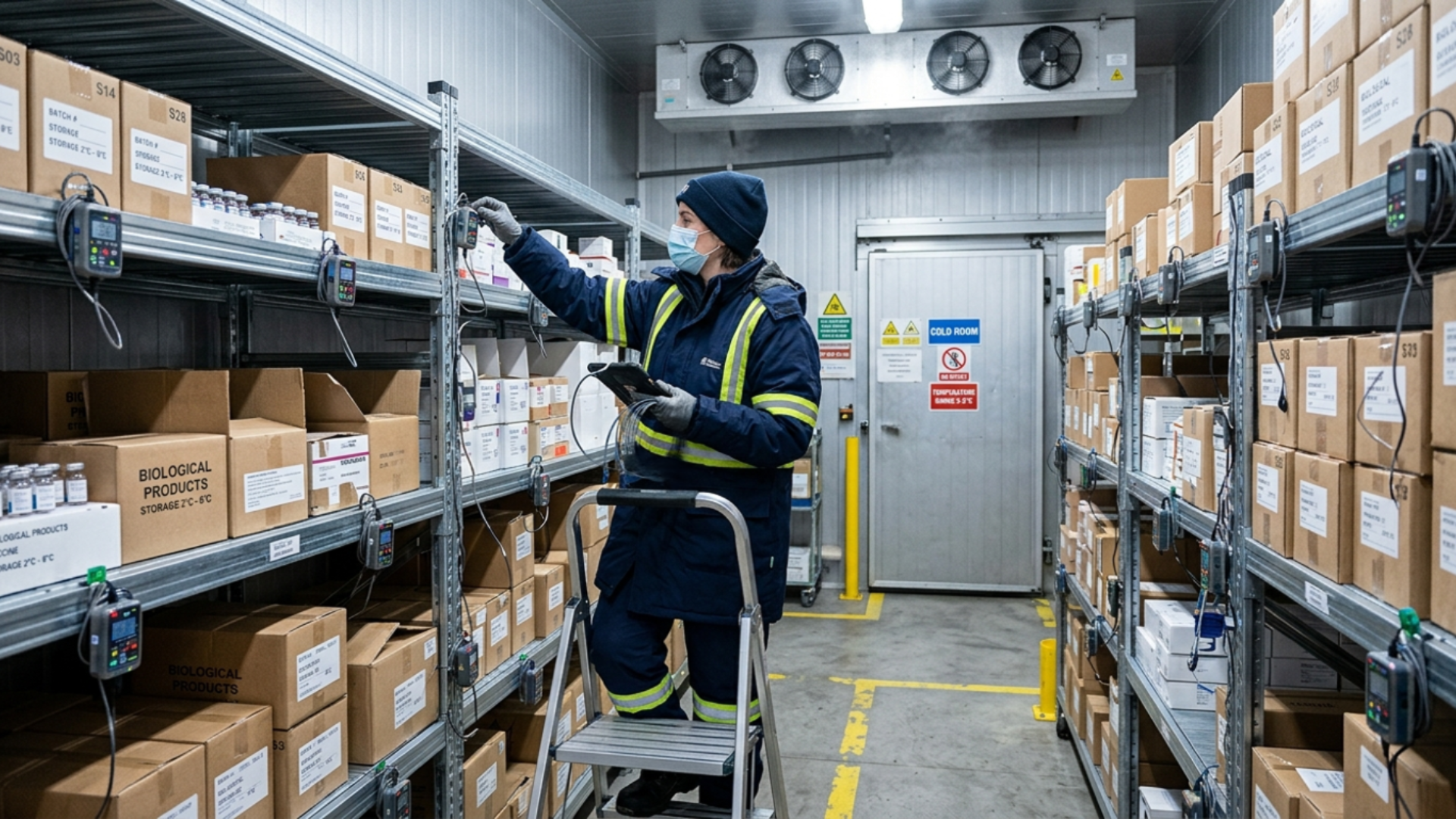
Temperature mapping should be carried out through definite processes for it to work best. The first step is planning, that is, identifying critical zones and developing a mapping protocol. The next step is sensor placement. It is required to install multiple calibrated data loggers at the top, middle, and bottom. Then comes the data recording, which means collecting the temperature readings of a certain period. Lastly, determine the maximum, minimum, and mean temperature on all points and highlight any unstable areas or deviations. You should provide a detailed validation report with a graphical temperature distribution.
Why is Choosing an Ideal Cold Room Facility Crucial for Temperature Mapping?
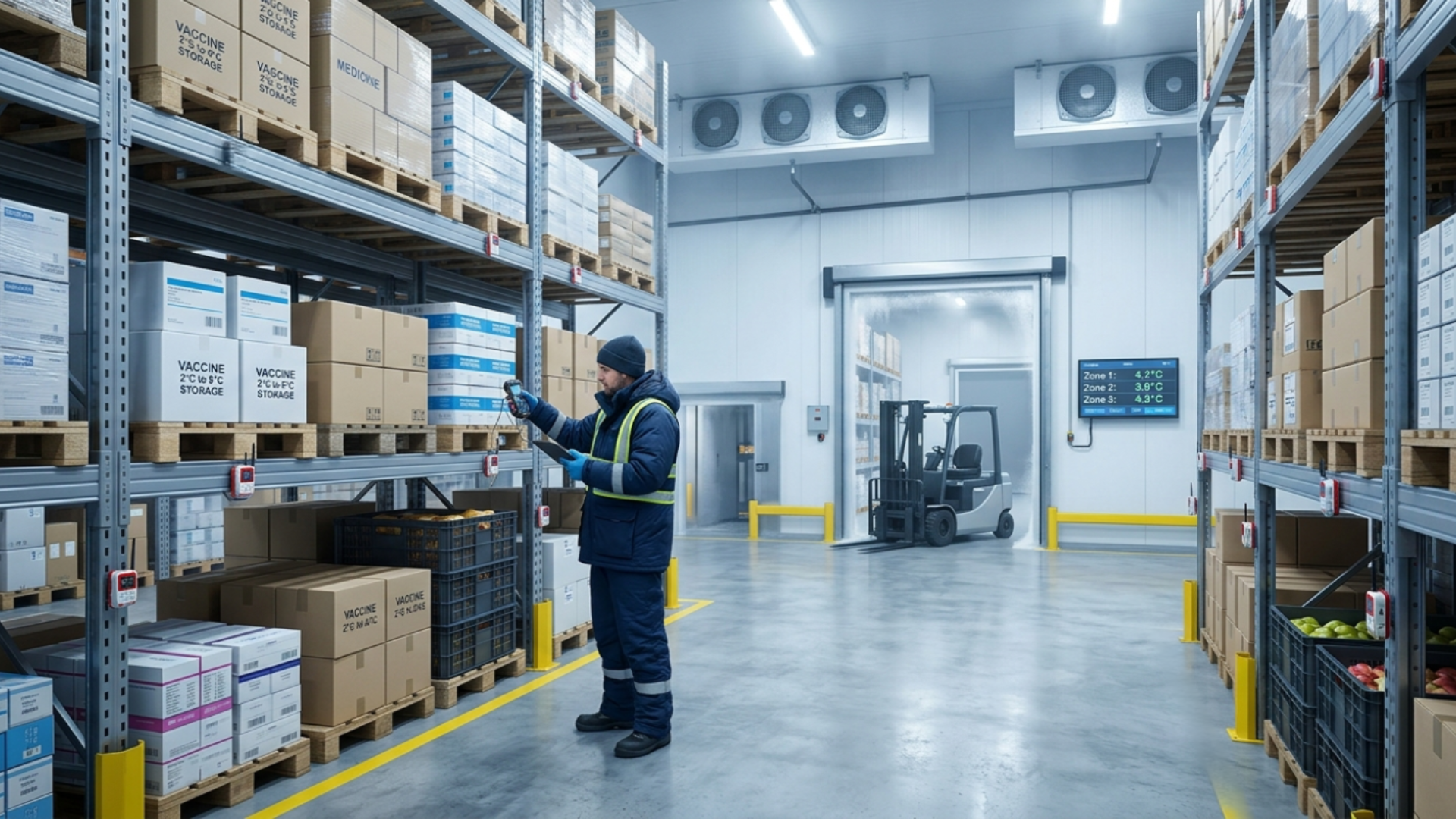
As you know, fluctuations in temperature can compromise the safety and quality of pharmaceutical products, medical devices, food items, and other temperature-sensitive goods. So, having proper temperature mapping can help keep the products safe and effective throughout. It is a tool that is used to demonstrate if the space is suitable for storage. However, even with all these tools, choosing the right cold room facility remains an important task. This is because it provides the controlled environment needed to identify accurate hot and cold spots.
There are many cold room manufacturers in Dubai UAE, and one of the prominent among them is Firstcool, with over 30 years of experience in the field. Firstcool offers refrigeration and air conditioning services and specializes in cold room manufacturing, installation, and maintenance. They are known for their efficiency, reliability, and long-term performance. So, if you are a business owner looking for the best safety storage space to boost your business, then Firstcool is a good choice.
Conclusion
Temperature mapping is a tool that helps measure how temperature is distributed throughout a controlled environment, such as a cold room. The temperature variations are recorded to identify hot and cold spots. Often, mapping is performed during initial system qualification (IQ/OQ/PQ), after major equipment changes, or during routine requalification. Proper mapping and an efficient cold room facility ensure that products remain unaffected and safe. This is why choosing a professional cold room facility is crucial. Firstcool happens to be a good choice as they specialise in providing solutions for commercial cold rooms and refrigeration systems throughout Dubai, UAE.
Frequently Asked Questions
What happens if a business does not comply with the temperature mapping FDA protocols?
The consequences can vary from fines to product recalls to reputational damage, which can be challenging for healthcare and pharmaceutical companies.
What are the benefits of accurate temperature mapping?
When used correctly, it offers several benefits, including early detection of inefficiencies, improved product quality and safety, reduced energy consumption, and extended equipment lifespan.
Why is temperature mapping required, especially in healthcare businesses?
Implementing temperature mapping can help understand if the storage areas can maintain the appropriate temperature and see if there are areas that require mitigation.
