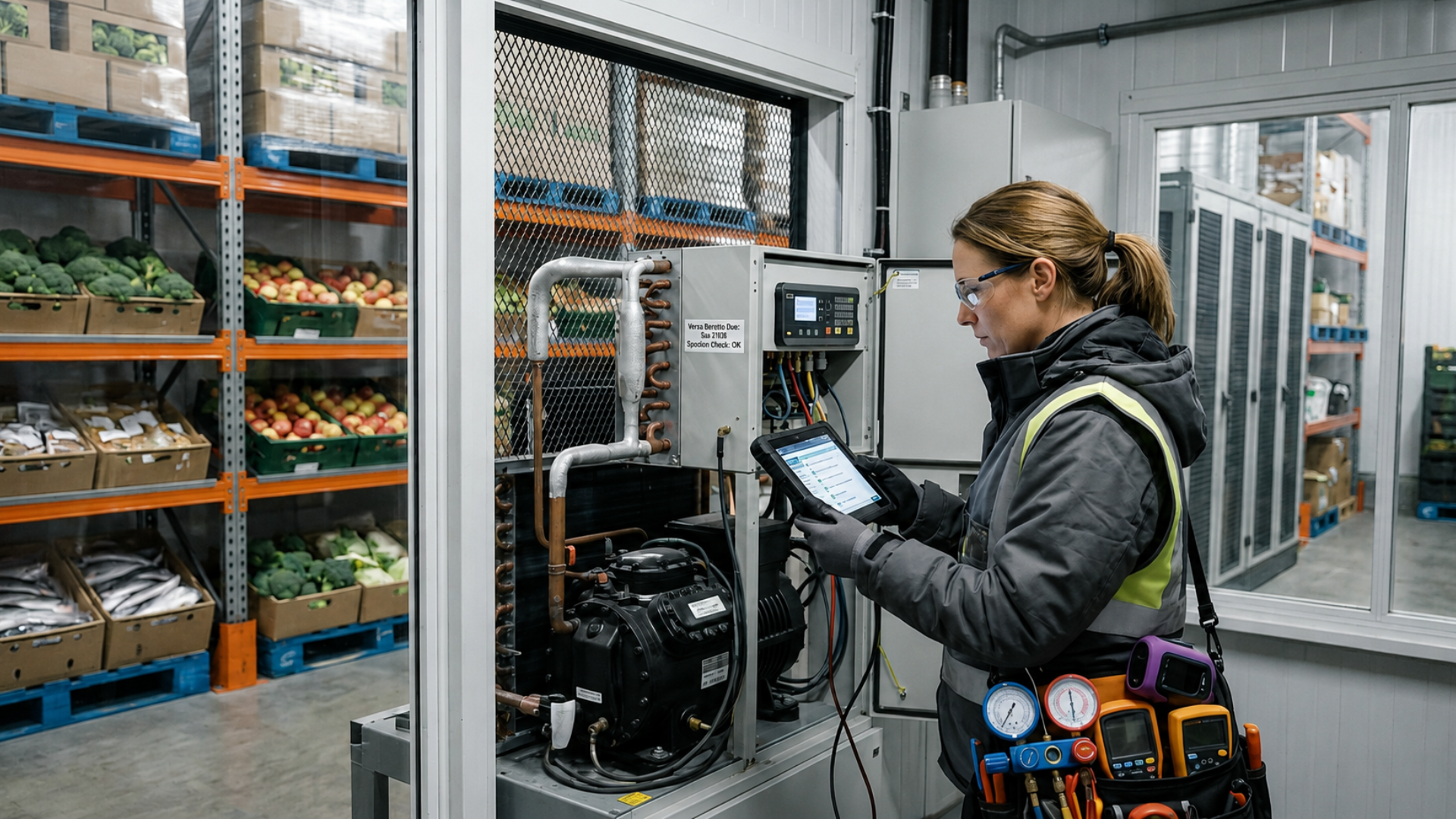
Why Planned Preventative Maintenance Is Essential for Cold Rooms in 2026
Planned Preventative Maintenance (PPM) is crucial for cold rooms, especially in 2026, as it helps prevent costly product spoilage, reduce runaway energy bills, and cut down emergency downtime. Well, what is PPM? It is a proactive strategy where inspections, servicing, and repairs of equipment are scheduled in advance at a fixed time or usage intervals. This is to avoid unexpected breakdowns, extend asset lifespan, and reduce long-term repair costs.
As for why PPM matters for cold rooms, it focuses on steady upkeep to ensure the operations run smoothly rather than just fixing a machine after it breaks. This blog further discusses how PPM is beneficial for cold rooms and its relevance in 2026. So, keep reading to learn more.
The Role of Proper Refrigeration Systems and PPM in Business
As you know, commercial and industrial businesses heavily rely on refrigeration, and breakdowns of refrigeration services are not merely inconvenient but can be costly and disruptive. It can even cause damage to your reputation. Be mindful that refrigeration maintenance is most effective when it is planned with intent rather than addressed only after a problem arises. Implementing preventive maintenance ensures the refrigeration system is tested, inspected, and maintained regularly before problems arise. Instead of waiting for things to go wrong, PPM identifies and resolves issues early.
Why Planned Preventative Maintenance Matters in 2026
In 2026, PPM is considered critical to protect your business operations. Without proper planning, even minor issues can lead to significant system failures, disrupting operations and increasing costs. For temperature-critical environments, PPM matters a great deal, as it ensures continuous compliance with regulations, reduces the risk of unplanned downtime, prolongs equipment lifespan, lowers energy costs, and offers more reliability during audits and inspections. In a nutshell, maintenance planning certifies that the cooling system doesn’t just work, but performs accurately, safely, and consistently.
Benefits of Implementing PPM in Your Cold Rooms
- Reduces downtime by preventing faults before they escalate. This helps avoid costly emergency callouts.
- Ensures consistent performance by maintaining temperature accuracy, especially for critical environments.
- Improves energy efficiency because a well-maintained system utilises less power, which reduces running costs.
- Offers a longer lifespan for the refrigeration system and delays the need for replacements, which can be costly.
- Ensures compliance with regulations, hygiene standards, and audit requirements.
- Provides a better visibility into maintenance costs.
- Helps save money, as there will be fewer emergency service calls and lower total repair costs over time.
- Reduces uncertainty and allows one to focus on their work instead of worrying about unexpected system performance issues.
Why Choose Prominent Cold Room Maintenance Dubai, UAE
PPM is not just about keeping the machines running, but rather is about protecting your research, data integrity, and company reputation. Investing in a professional cold storage manufacturer in Dubai, UAE, can help you safeguard against unexpected failures, financial loss, and regulatory non-compliance.
Firstcool is a leading cold room provider in Dubai with over 30 years of experience in the field. They specialize in high-quality cold room solutions and offer comprehensive services. They offer seamless maintenance services and repair solutions for refrigeration and air conditioning systems, along with annual contracts to guarantee consistent performance and system longevity. Firstcool would be a great choice if you are looking for tailored solutions that ensure reliability, efficiency, and long-term performance.
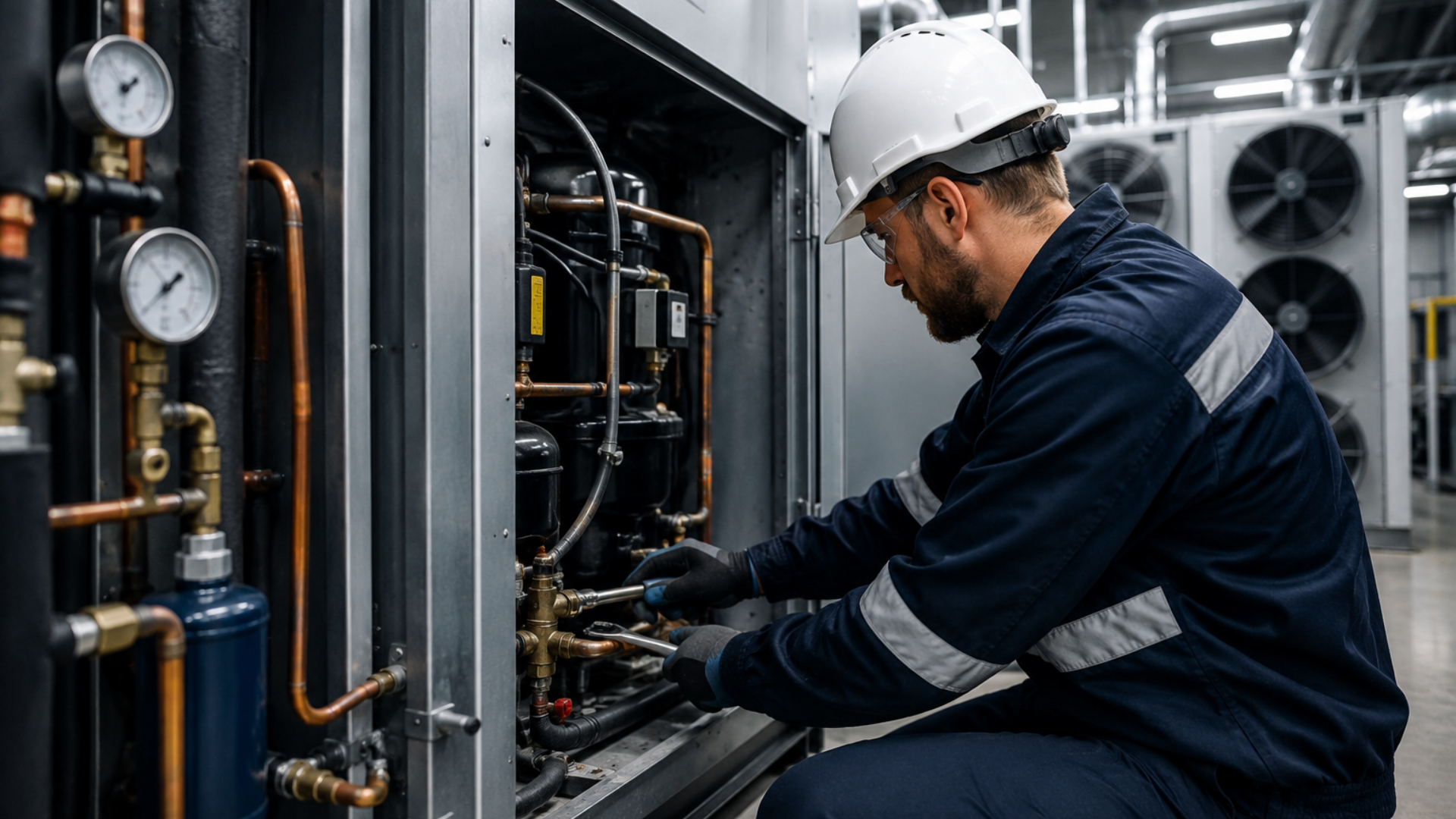
Conclusion
Planned Preventative Maintenance can be very useful in reducing emergency repairs, protecting inventory, and supporting compliance requirements, especially for commercial facilities that rely mostly on refrigeration systems for daily operations. It offers an opportunity to evaluate the system condition, align the budget, and reduce operational risks. However, choosing the right preventive maintenance service matters in order to ensure the refrigeration system runs smoothly and without trouble.
Firstcool is a UAE-based cold room provider with years of experience in manufacturing, installation, and maintenance of commercial cold rooms and storage systems. With Firstcool, you can gain a team that is dedicated to keeping your cold rooms and cooling systems performing well and precisely.
Frequently Asked Questions
Can proper refrigeration maintenance help reduce emergency repairs?
Yes. PPM helps identify any potential airflow issues, identify wear, and other concerns early, thereby reducing the need for emergency service calls.
What is the risk of not having planned preventative maintenance?
Many still rely on a reactive maintenance approach, where they only address a problem after the performance is visibly affected or if the system is completely shut down. Not having preventive maintenance can disrupt research, lead to emergency service calls, increase repair costs, and reduce the lifespan of refrigeration systems.
What are the best preventive practices that can help improve cold room performance?
Keeping the place clean, checking door seals and insulation, monitoring and controlling the temperature, maintaining electrical and power systems, proper degrosting and airflow management, and routine performance reviews.
When should I choose preventive maintenance?
Implement preventive maintenance immediately, especially for mission-critical assets, systems that require regulatory compliance, and equipment with predictable wear-and-tear patterns.
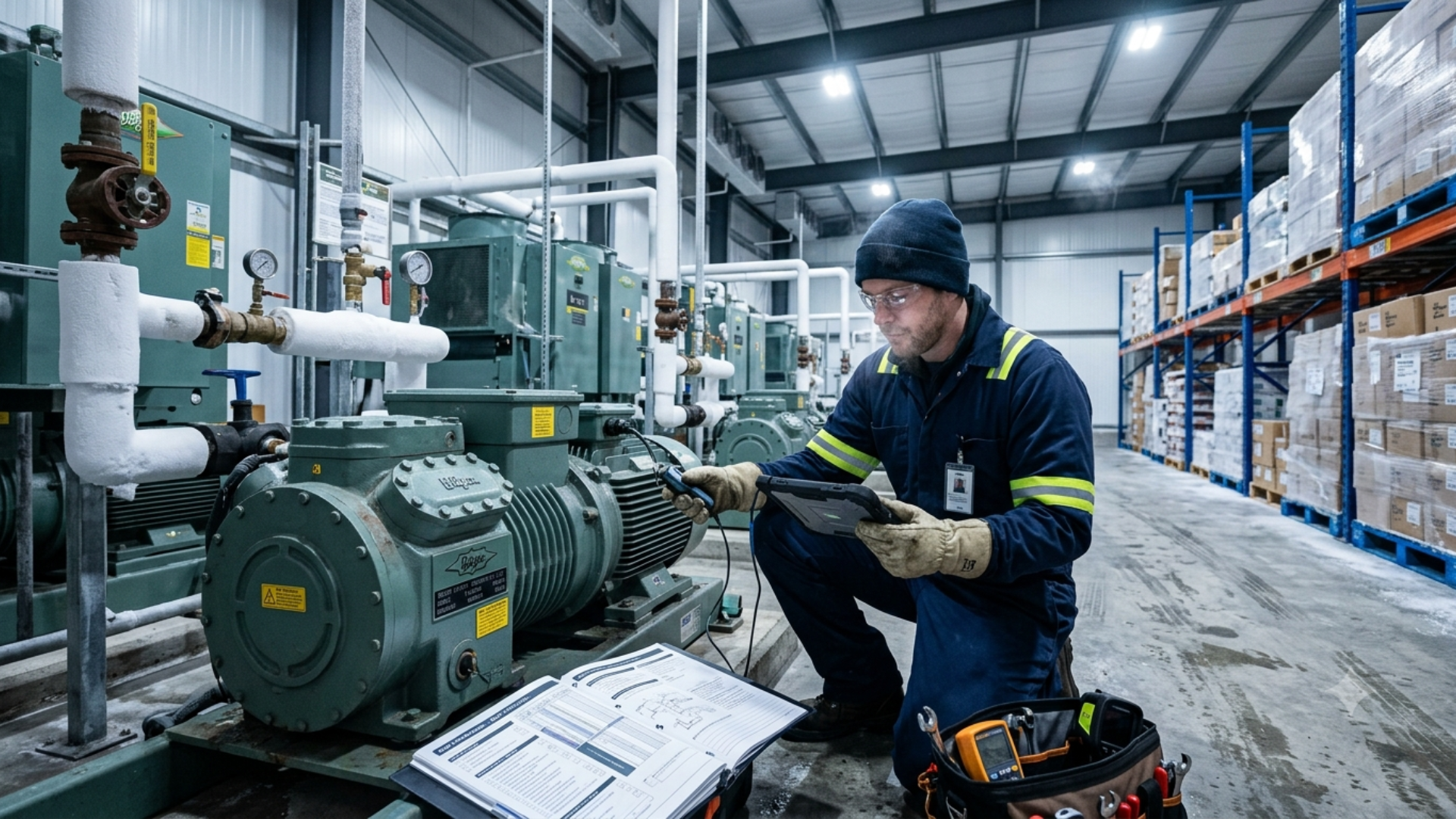
What Is Reliability Centered Maintenance (RCM)? A Complete Guide for Cold Room Systems
Reliability Centered Maintenance (RCM) is a structured framework that identifies the most suitable and effective maintenance strategy for each asset depending on its failure risks. Instead of applying a solution that fits all conditions, RCM focuses on using the right maintenance approach to assess each asset’s actual risk profile. This helps achieve lower maintenance costs, higher equipment costs, and an improvement in operational safety. While discussing RCM, it is also important to talk about Total Productive Maintenance (TPM), which refers to complementary strategies that are used to optimise equipment performance, but with different approaches. The main difference is that while RCM prioritises analysing critical assets to eliminate risks, TPM focuses on improving overall equipment effectiveness. This blog further discusses RCM and its relevance in cold rooms. So, let’s dig in.
What is Reliability Centered Maintenance and Why Does it Matter for Cold Rooms?
For cold room systems, Reliability Centered Maintenance helps optimize refrigeration, insulation, and controls to ensure maximum uptime and to prevent costly inventory spoilage. It also helps eliminate unnecessary servicing. RCM ensures that the cold room is at the required temperature and humidity, rather than just keeping a fan spinning. Since cold rooms are complex ecosystems, different components require tailored maintenance strategies, and applying RCM can help with that. Instead of relying on manual check-ins, RCM provides instant notifications in case environmental thresholds are breached. This helps operators to address power outages, mechanical failures, or incorrect temperature settings before spoilage or damage occurs.
Benefits of Reliability Centered Maintenance
Implementing RCM offers several benefits, including:
- Reduces unplanned downtime by helping identify and prevent critical failures before they occur. This ensures the operations run smoothly.
- Helps with cost control by directing resources where they will have the biggest impact.
- Improves safety by systematically understanding and managing high-consequence failure modes even before they occur.
- Offers stronger compliance as RCM provides structured documentation. It helps create an auditable record of how and why maintenance decisions were taken.
- Prolongs asset life by catching wear and tear early.
What is the 7-Step RCM Process?
RCM analysis follows a structured 7-step process, such as:
Identifying critical assets
The first step in RCM is identifying which equipment and systems warrant analysis. This involves assessing the potential impact of equipment failure on operations, safety, and financial outcomes.
Defining system boundaries and functions
After the critical assets are selected, the next step is to define the system each asset operates in, such as its role, inputs, outputs, and overall function. Setting clear boundaries provides a clear picture of the components that affect performance and ensures they are included in the analysis.
Identifying failure modes
The next step is to identify the ways each system can likely fail to perform. For this to work, and to ensure every failure scenario is captured, input from maintenance teams, operators, and engineers is required.
Performing root cause analysis
Once the failure modes are identified, the next step is understanding the underlying cause of each one. Through proper identification of the root causes, it becomes easier to address the actual problem and take corrective measures.
Evaluating the consequences of failure
Understand that each failure mode is assessed for its impacts on safety, cost, and operations. This helps determine how urgently or seriously each failure should be managed.
Choosing the appropriate maintenance strategy
The next step is selecting the maintenance strategy. It is important to choose the most technically feasible and economically viable solution for each failure mode.
Implementing the strategy and reviewing continuously
The final step is implementing the selected strategies and conducting reviews to measure and refine their effectiveness over time.
Why Does Choosing the Best Cold Room Matter?
Choosing the best cold room facility is crucial for Reliability Centered Maintenance because it is built around identifying failure consequences. A properly designed and high-quality cold room helps prevent component failures and ensures that the structural and mechanical elements are highly predictable and easy to inspect. There are plenty of cold room services in Dubai, UAE, and one of the best among them is Firstcool. With over 30 years of experience in the field, Firstcool is a leading provider that specialises in high-quality cold room solutions. They offer comprehensive solutions that ensure long-lasting reliability and performance. Relying on them can be an ideal choice if you’re looking for professional maintenance services and repair solutions.
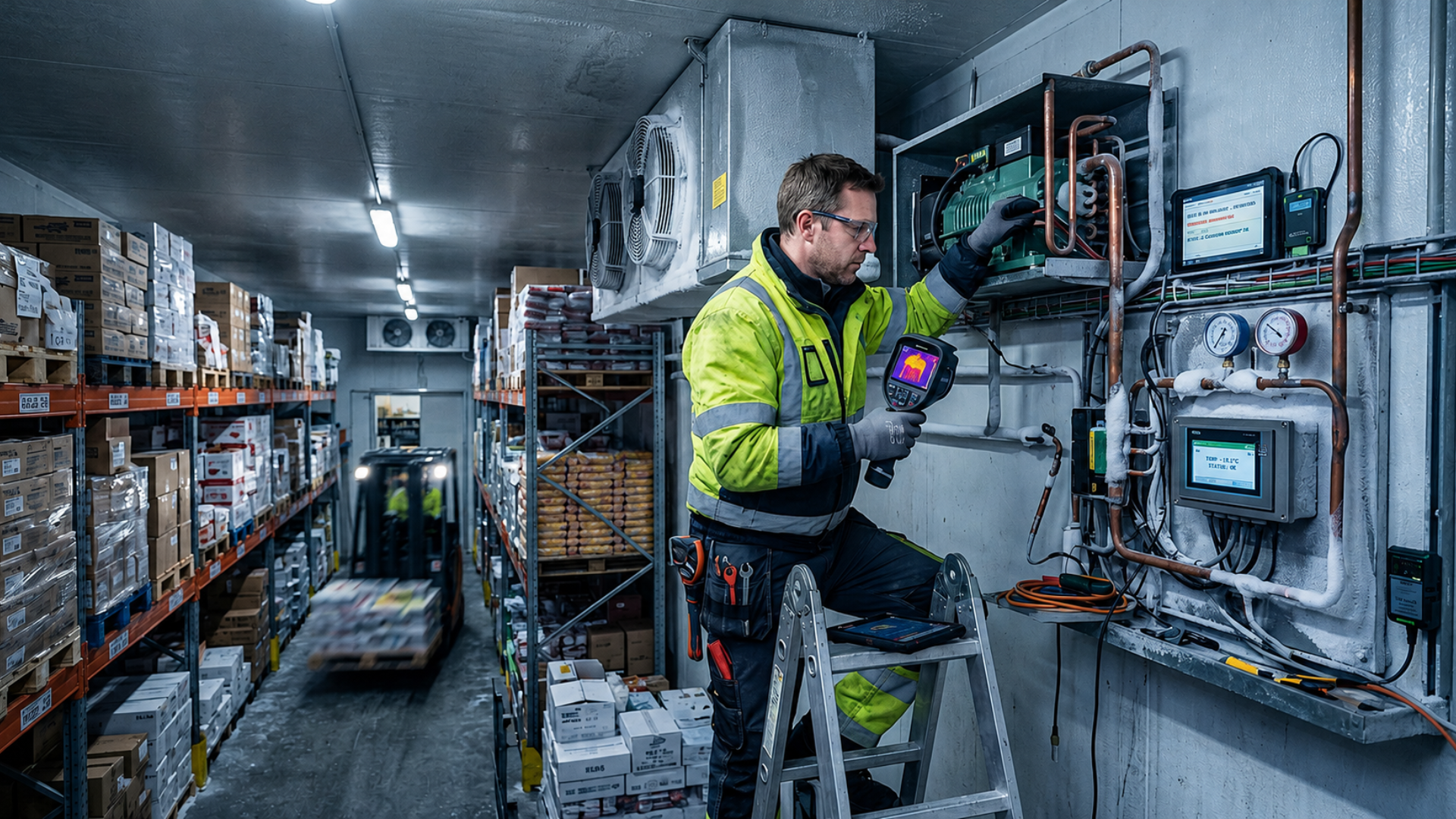
Conclusion
Reliability Centered Maintenance is a proven methodology to enhance operational safety, improve equipment reliability, and optimise maintenance cost. Following a well-structured RCM approach makes it easier for organisations to make data-driven maintenance decisions, which helps reduce downtime and increase efficiency. It is especially helpful for cold rooms where a breakdown can result in massive financial loss through spoiled inventory. However, choosing an ideal cold room service can help prevent such occurance to an extent. Firstcool seems to be a good choice if you’re looking for a professional and experienced service team.
What is the difference between Reliability Centered Maintenance and Preventive Maintenance?
While RCM evaluates how each asset can fail and its potential consequences to take an appropriate strategy, Preventive Maintenance runs on a fixed time regardless of an asset’s actual condition or failure risk.
What industries use RCM?
Implementing RCM can be quite expensive, but organisations often recover these costs by reducing unplanned downtime, extending asset life, and improving maintenance efficiency.
Is RCM expensive?
Our travel packages typically include accommodation, transportation, and some guided tours. Check the details to see what’s specifically covered for each package.
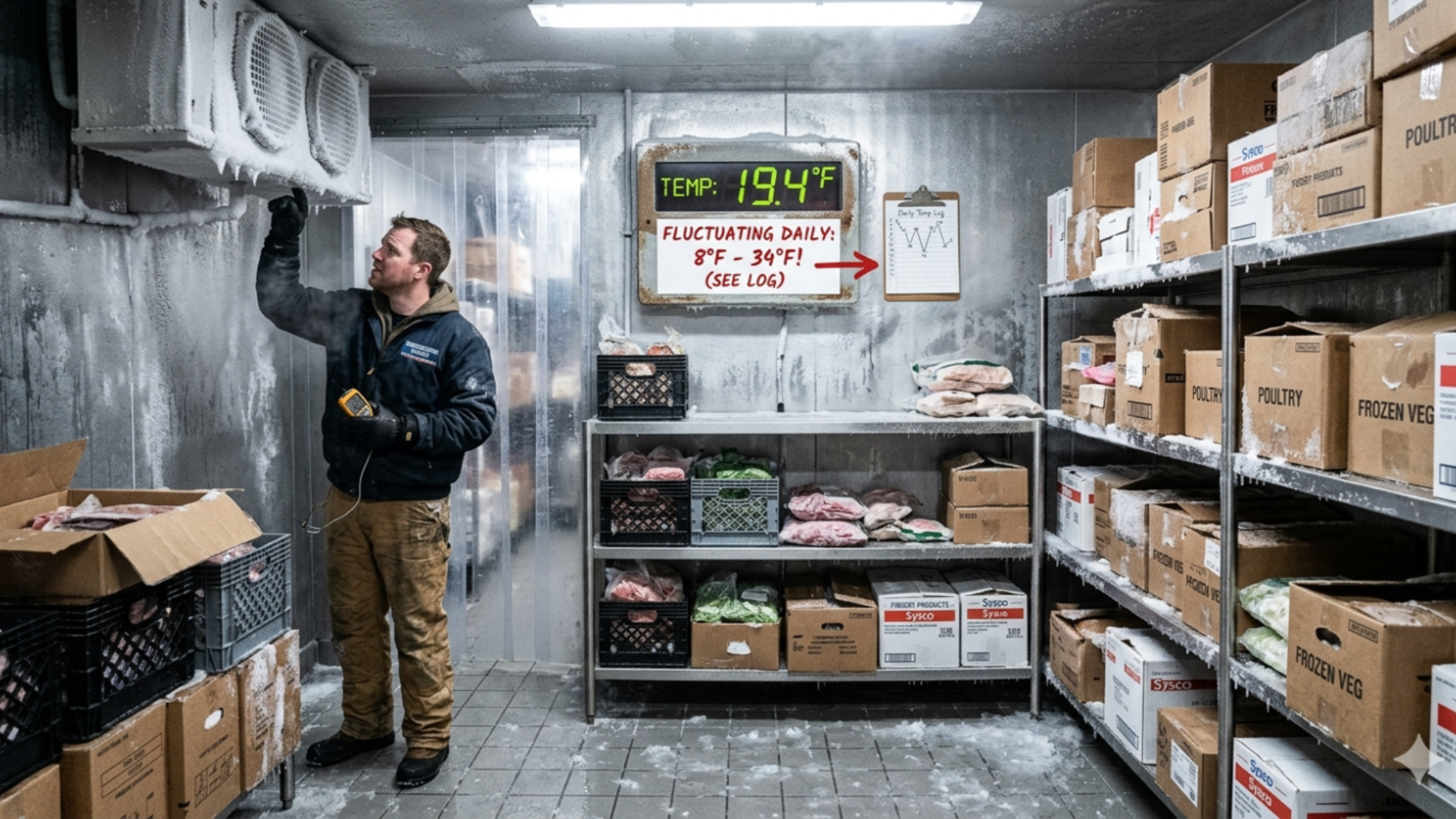
What Happens If a Walk-In Freezer Fluctuates Every Day?
Temperature fluctuations can be normal in walk-in freezers, but daily fluctuations indicate a bad sign. It can cause risks of spoilage of items, ice crystal growth, and even damage or wear out the equipment. It happens to be one of the most frequent and costly failures in frozen goods processing. The risk of microbial contamination is the key reason why effective temperature management is crucial. This blog further discusses what happens when the temperature fluctuates constantly in walk-in freezers and how to prevent it. So, dig in.
Why Do Temperature Fluctuations in a Walk-In Freezer Occur?
Walk-in freezer temperature fluctuations are often caused by unnoticed factors, such as any leaks in the door seal, defects in defrost cycles, moisture buildup on cooling coils, or low refrigerant levels. Understanding the cause becomes helpful to identify and fix the problem before it worsens. Noticing frost buildup or ice that seems wet is a sign of freezer temperature variation. If you feel that the freezer is warm or see puddles of water, it means a poor cooling facility.
Leaks or faulty door seals are considered one of the major reasons for temperature variations. Having any tear or crack in them lets warm air in, which is why it is essential to examine the door seals once a month. If a thermostat malfunction occurs, it means the freezer will get too cold or not cold at all. Improper airflow is another factor that leads to temperature swings, leaving products like food items at risk. Other contributors include the failure of mechanical or electrical components, frequent door openings, overloading of the freezer, and temperature around the freezer.
Why is it Important to Maintain An Ideal Walk-In Freezer Temperature?
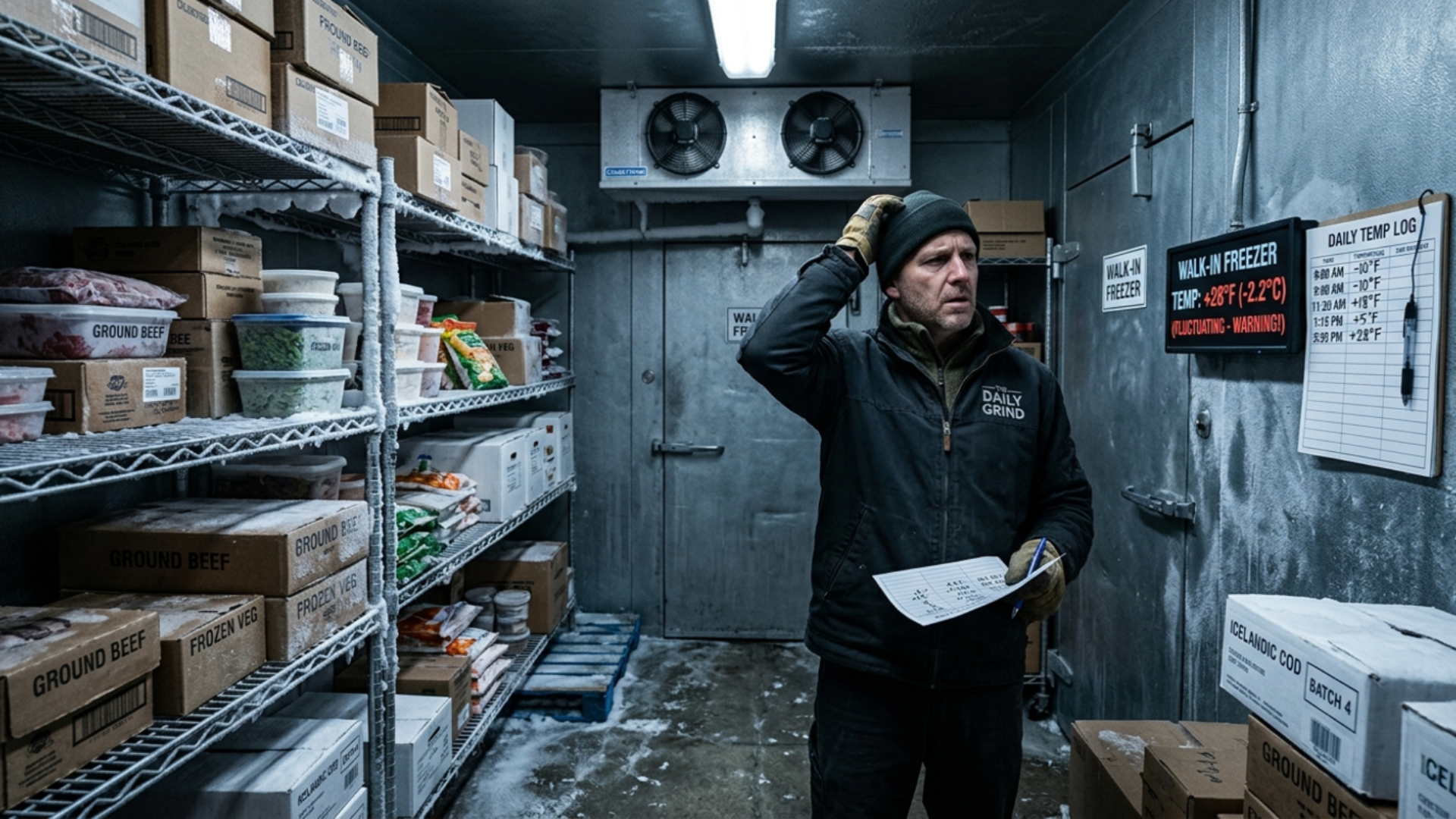
As for why maintaining an ideal temperature is important, it ensures food safety, prevents stock loss, and helps comply with regulations. Poor temperature management mostly affects the quality and safety of food items. This is because bacteria tend to grow faster when the freezer temperature rises above 0°F, causing the food to spoil or lose its taste and texture. We may assume regular temperature fluctuations in the walk-in freezers only impact food quality, but in reality, it makes food unsafe for consumption. Thus, ensure you regularly check for any temperature or thermostat variations. Furthermore, take preventative measures, implement proper loading techniques, spread awareness among staff, and conduct routine maintenance.
Choosing an Ideal Walk-In Freezer Facility
Temperature fluctuations to an extend is connected to the quality of the equipment. Using high-quality, safe ones can help have a more controlled and constant temperature. There are many cold room services Dubai UAE, that provide end-to-end solutions to help industries such as food, pharmaceutical, retail, and logistics. These services ensure proper temperature management and compliance with the regulatory standards.
Firstcool is one such premium cold room service with 30 years of experience in the field. They claim to offer long-lasting reliability and the freshness of products with specialized air conditioning services, suitable installation, and maintenance. Firstcool services offer chiller rooms, freezer rooms, blast freezer rooms, refrigeration equipment, hinged cold room doors, manual sliding cold room doors, self-closing flush cold room doors, and blast chiller rooms. Choosing them can be a safe and effective option to prevent fluctuations in walk-in freezer temperatures.
Conclusion
Safety and cleanliness are considered the key aspects for any business associated with food. That said, proper temperature control is essential to keep up the quality, safety, and freshness of food items. However, temperature fluctuations are a common issue that still prevails in many business sectors. Indeed, spotting and following preventative measures helps resolve the problem to an extent, but choosing an ideal cold room service is far more crucial. This is because only professional services can aid in maintaining optimal temperatures.
There are plenty of services that offer a professional refrigerated room in Dubai, and one among them is Firstcool. The team behind Firstcool focuses on providing consistent solutions for manufacturing, installing, and maintaining the cold rooms according to the client’s needs. They are a team of experienced professionals who ensure They are a team of skilled professionals dedicated to ensuring efficiency, reliability, and long-term performance. Thus, when looking for an efficient cold room service, Firstcool seems to be a good choice.
Why do I notice constant temperature fluctuations in my freezer?
Temperature fluctuations in freezers are often caused by poor airflow, automatic defrost, or worn door seals.
What is a normal temperature fluctuation in a walk-in freezer?
Ensuring the door seals are in good shape and free of cracks can help stop moist air from leaking in. Putting a heating strip on the door frame can also help reduce frost buildup.
How do I prevent frost and condensation on the door and panels of my walk-in freezer?
The first and foremost thing to do is look for signs and try fixing the problem. As of next, it is advisable to seek professional help in order to prevent the condition from worsening.
