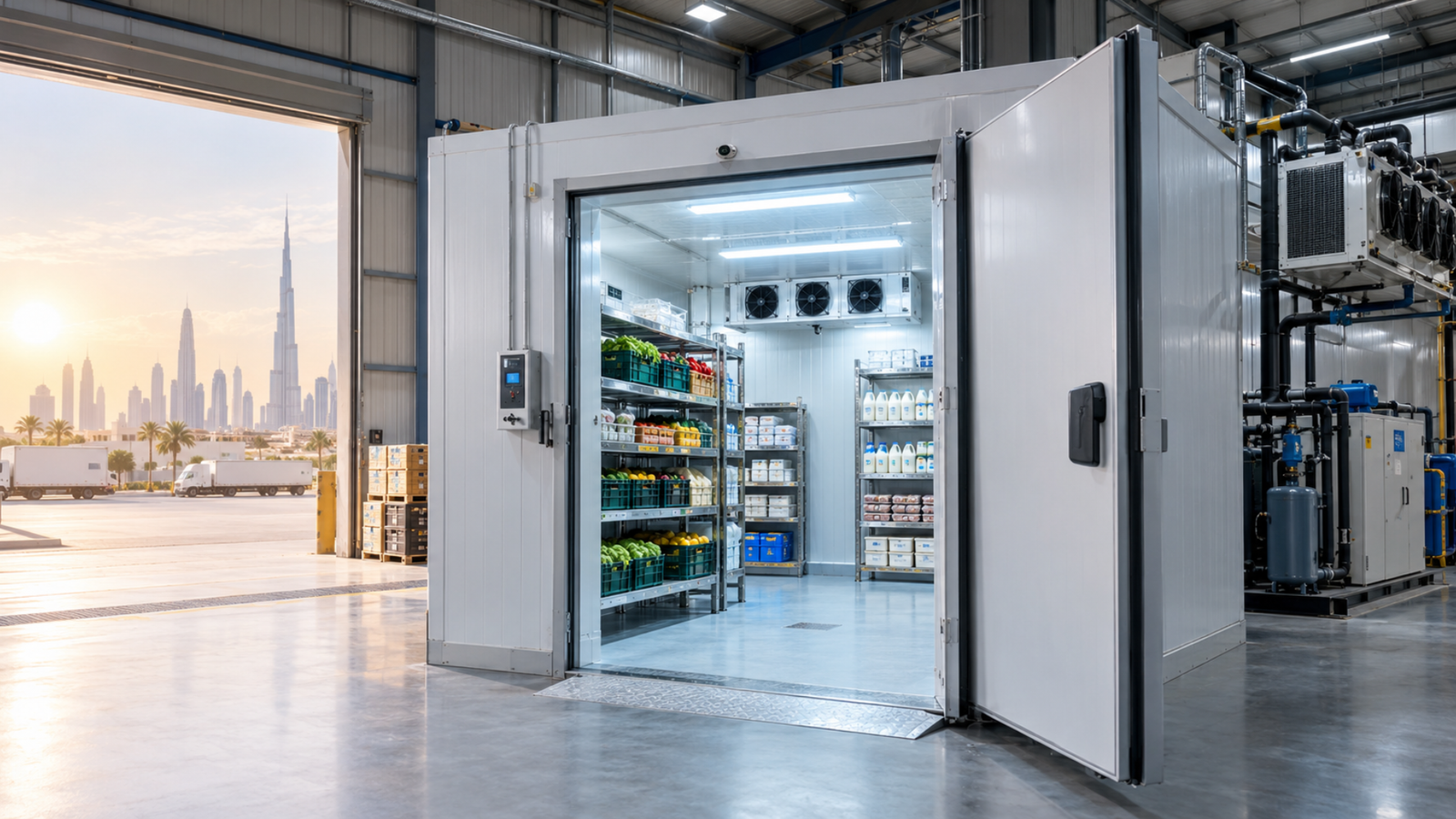
Different Types of Cold Storage and Their Applications Across Industries
Dubai has many great things to offer, but weather is not one of them. The heat and humidity are unbearable at times, and it mostly affects businesses like pharma, food, and dairy-based industries. Whether you run a restaurant, bakery, flower shop, or even a pharma shop, you need cold storage that keeps your stuff safe and fresh, or simply keeps a business running.
In this article, we are going to discuss walk-in cold rooms, what types there are, their popular applications, what affects the cost, and how to choose a reliable cold storage manufacturer Dubai UAE.
What is Cold Storage and How Does It Work?
Cold storage is an insulated unit that maintains a steady temperature to extend the shelf life of perishable goods and avoid contamination of temperature-sensitive goods. Big industries can suffer huge losses because products are not stored in ideal conditions and at appropriate temperatures.
The Parts That Do the Work
- A compressor pushes refrigerant around the system
- condenser sends the heat outside
- evaporator pulls heat out of the room
- An expansion valve controls the flow
- Fans keep air moving so there are no warm pockets
Why Temperature Control Matters
Even a small rise speeds up bacterial growth and shortens shelf life. Good insulation and sensible door habits also stop the compressor from working overtime.
Main Types of Cold Storage
There is not one type of cold storage; it varies by use and temperature range needed. Here are some of the most common types of cold storage asked for by buyers:
Walk-In Cold Room (Chiller and Freezer)
A walk-in cold room is a modular insulated room you can literally walk into. Chillers usually sit between 2°C and 8°C, and freezers hold around -18°C to -20°C. Restaurants, caterers, pharmacies, and distributors like them because they come in customizable sizes and can always be expanded when needed.
Refrigerated and Deep-Freeze Storage
Refrigerated storage, roughly 0°C to 10°C, suits dairy, fresh produce, flowers, and drinks. Deep-freeze drops below -18°C and is the pick for meat, seafood, and vaccines that sit for months.
Blast Freezers and Chillers
These bring product temperature down fast. Quick freezing keeps ice crystals small, so meat, seafood, and bakery items hold their texture after thawing.
Controlled and Modified Atmosphere Chambers
By adjusting oxygen, carbon dioxide, and nitrogen levels, these chambers slow ripening. Fruit, vegetables, and dried fruits are the usual customers.
Warehouses, Display Rooms and Reefer Transport
Multi-commodity warehouses handle mixed stock at different temperatures. Display/cold rooms let supermarkets show product with backup stored behind it, and reefer trucks keep the chain intact on the road. Two specialist options also exist: ambient storage for items that only need protection from heat, and cryogenic storage, below -150°C, for biological samples and research material.
Applications of Cold Storage Across Industries
Each industry has its own cold storage needs; the dairy business would require a different temperature setting from a pharmaceutical one. Here are the major industry-based applications for walk-in cold rooms.
Food and Beverages
Chillers and freezers will be ideal for meat, dairy, seafood, frozen meals, chocolate, and drinks. With the right temperature and humidity settings available in freezers and chillers, these food items will last longer and get approved by safety inspections too.
Pharmaceuticals and Healthcare
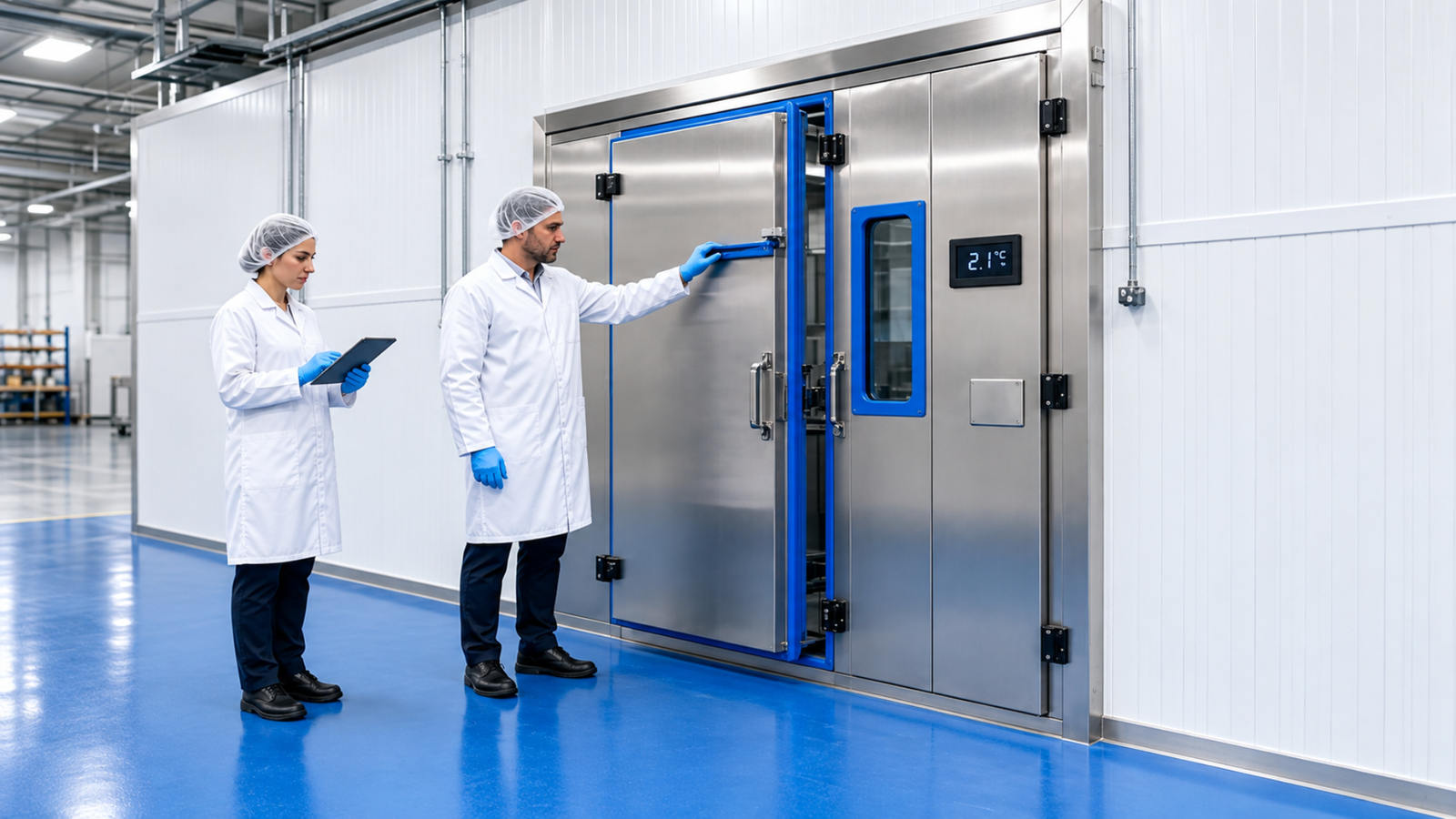
Vaccines, biological samples, and lab samples all need to be preserved at 2°C to 8°C. The healthcare industry needs to maintain paperwork with temperature records, and it all gets inspected by auditors thoroughly.
Agriculture and Horticulture
Food can only be grown under a specific temperature and atmosphere. This is controlled by specific types of cold storage units. Growers use pre-cooling and chilled rooms to hold produce, cut flowers, and seeds after harvest. With controlled atmosphere storage, the season for fruit gets stretched.
Hospitality, Retail and Logistics
Hotels, restaurants, supermarkets, and dark stores need dependable day-to-day storage. Distributors rely on hubs and reefer vehicles to move stock between them.
Walk-In Cold Room Price: What Affects the Cost?
It’s the first question most buyers ask, and the honest answer is that it depends. Two rooms that look alike on paper can end up far apart in price once the details are filled in.
Key Price Factors
Size and temperature range come first, since freezers cost more than chillers. Panel thickness and insulation type (PUF or PIR) follow, then compressor capacity, door type, shelving, and any monitoring system. Your site layout and Dubai’s heat can also affect the installation side.
How to Get an Accurate Quote
Tell the supplier what you’re storing, how much, how often the door opens, and how much floor space you have. With that information, a quote stops being a guess.
Choosing a Cold Storage Manufacturer in Dubai, UAE
Buying the room is only half the job. You’ll be working with the supplier for years, so pick one who can design, build, and look after it. If you’re comparing a cold storage manufacturer in Dubai, UAE, or shopping for a cold room freezer in Dubai, UAE, a few things separate the solid names from the rest.
What to Look For
Ask whether they manufacture in-house or simply resell. Make sure the equipment is rated for UAE summers, not just mild climates. Find out what after-sales support looks like, including maintenance contracts and response times. Finally, confirm the setup meets local food and pharma storage requirements.
Cold Storage Projects in Dubai, UAE
Dubai imports a large share of its food, and its hotel, retail, and pharma sectors keep growing. That keeps demand for cold storage projects in Dubai, UAE steady across the city.
Common Project Types
Typical jobs include hotel and restaurant kitchens, supermarket back rooms, food processing units, pharma stores, and distribution warehouses. Turnkey projects cover design, supply, installation, and commissioning under one roof.
Conclusion
The best cold storage is the one that fits the product, because that’s what protects quality, cuts waste and keeps inspectors happy. If you’re planning a project in Dubai, Firstcool has spent over 30 years manufacturing, installing and maintaining cold rooms across the UAE. Their range covers chiller rooms, freezer rooms, blast freezers, cold room doors, and custom builds, and they’re ISO 9001:2015 certified.
Frequently Asked Questions
What are the main types of cold storage?
Walk-in chillers and freezers, deep-freeze rooms, blast freezers, controlled atmosphere chambers, and refrigerated transport cover most needs.
What temperature does a walk-in cold room need?
Chillers run at about 2°C to 8°C and freezers at -18°C to -20°C, depending on the product.
How much does a walk-in cold room cost?
It depends on size, insulation, refrigeration capacity, and installation. A site-specific quote is the only reliable number.
Which industries use cold storage most?
Food and beverage, pharma, agriculture, hospitality and logistics.
Can a cold room be customised for Dubai’s climate?
Yes. Thicker insulation, properly rated compressors and efficient doors handle the heat well.

Ensuring the quality of perishable goods such as food, beverages, pharmaceuticals, floriculture products, and agricultural produce is important. As temperature and humidity levels fluctuate, having a cold room for businesses in Dubai is crucial for preserving perishable goods and ensuring product safety. A cold room is a room where the temperature is controlled, a storage space designed to preserve perishable items under preserved environmental conditions. From understanding the different types of cold rooms and assessing your storage needs to installation tips and energy efficiency considerations. Firstcool, a trusted cold room manufacturer, offers the ideal cold room solution in Dubai to ensure long-term operational success across industries.
Why Choosing the Right Cold Room Matters
The right cold room is crucial for industries like food and beverage, pharmaceuticals, floriculture, and agriculture, as cold storage plays a vital role. Choosing an inappropriate commercial cold room or design poses a serious risk to maintaining product quality and shelf life. Improperly designed cold rooms can result in temperature fluctuations, which may lead to goods spoilage, increasing operational costs, and may lead to legal issues due to noncompliance with Dubai’s strict health and safety standards.
Cold Rooms and Their Uses
Understanding the different types of cold rooms and their specific applications is crucial for industries. It helps to identify the most suitable type for your sector and allows customisation based on your specific needs.
- Blast Chiller Rooms: Used to rapidly decrease the temperature of cooked food to a safe storage temperature. This helps to extend the shelf life and food safety.
- Chiller Rooms: They are used for storing fresh produce products like fruits, vegetables, dairy products, and beverages at an ideal temperature between 0°C and 5°C.
- Freezer Rooms: They are the cold rooms used for storing meat and ice cream at a temperature from -18°C to -25°C.
- Custom Cold Rooms: You can customize it according to your specific needs as part of your cold storage project in Dubai, including floral storage, pharmaceutical products, and more
Firstcool offers a wide range of cold room solutions and cold room design services in Dubai. You can customise it according to your needs.

Why Energy Efficiency Should Be a Priority
Energy efficiency is a critical factor for operating a cold room, especially for businesses aiming to maintain sustainability and cost-effectiveness. An energy-efficient cold room lowers power consumption, increases long-term operational activities, and enhances profitability. These systems can be useful for reducing carbon emissions and supporting eco-friendly practices. As a country like Dubai implements green building standards and energy efficiency regulations, a cold room solution ensures regulatory alignment.
Firstcool incorporates advanced insulation materials and high-performance compressors and provides energy-efficient cold rooms in Dubai and environmentally safe refrigerants into its cold room designs. Businesses that prioritise energy efficiency in their cold storage infrastructure are better positioned for sustainability, compliance, and long-term operational success.
How to Assess Your Storage Needs
Before installing a cold room, businesses must understand their specific storage requirements:
- Product type: Different products, such as those stored in a cold room freezer, need different temperatures and humidity levels.
- Storage volume: Assess the quantity of goods to determine the appropriate size of the cold room.
- Usage frequency: High-frequency access necessitates a door system and efficient airflow management.
- Space Availability: Consider the space constraints and layout of your facility.
Firstcool’s experts collaborate with customers through evaluation, ensuring the cold room design aligns with your operational needs.

Installation Considerations: Space, Access & Setup
The installation phase of cold rooms is a little bit critical to the performance and long-term usage of cold rooms. Consider these points:
- Site preparation: Ensure that the installation site is level and well-formed.
- Accessibility: Designing for easy access to facilitate the loading and unloading of goods.
- Ventilation: Proper airflow to maintain constant temperatures and prevent moisture buildup.
- Compliance: Attach to local building codes and health regulations.
- Budget planning: Factor in installation requirements when estimating the total cold room price to avoid unexpected costs.
Firstcool’s installation experts have extensive experience in cold room installation in Dubai and setting up cold storage projects Dubai UAE in full compliance with UAE regulations.
Ongoing Support: Maintenance and After-Sales Service
Regular maintenance is essential to ensure the cold room operates efficiently and has a long-term lifespan. Improper maintenance can lead to failures of equipment, product loss, and increased power consumption. Firstcool offers cold room services and maintenance services in Dubai, including:
- Regular inspections: Identifying and addressing important issues before they increase.
- Equipment servicing: Ensure that all mechanical and electrical equipment functions properly.
- Immediate repairs: Provide an immediate response to unexpected breakdowns.
- Upgrades: Implement the latest technology to enhance performance and maintain efficiency.
Why Firstcool is the Best Choice for Cold Room in Dubai
Firstcool Cooling Equipment and Devices LLC stands out as a trusted cold room manufacturer in Dubai.
- Experience: Firstcool has 30 years of expertise in designing, installing, and maintaining cold rooms.
- Customisation: Customised solutions for meeting the specific needs of business requirements.
- Quality assurance: ISO 9001:2015 certified, ensuring compliance with international quality standards.
- Extensive services: They provide support from initial consultation to post-installation. Offering end-to-end solutions.
- Client satisfaction: A successful record of cold storage projects Dubai UAE, across various industries.
By choosing Firstcool, you can partner with the best cold storage system provider in Dubai, offering consultation for installation and maintenance as well.
Commercial Cold Room & Refrigerated Room Solutions in Dubai
Firstcool provides one of the best trustworthy, high-quality commercial cold room and refrigerated room solutions for your business needs. Whether you are looking for a cold room freezer, walk-in cold storage, or even a fully customized refrigerated room, Firstcool designs the most trustworthy and top-notch systems and installs them to keep your products fresh while reducing energy costs.
Conclusion
The selection and installation of a cold room in Dubai is a major decision that impacts product quality, operational efficiency, and regulatory compliance. In the climate conditions in Dubai, one must prioritise energy efficiency, proper design, and dependable maintenance when choosing cold storage in Dubai. For ensuring the quality and preservation of perishable goods, cold room installation is important.
Firstcool’s extensive services, from cold room design to installation and maintenance, make it the best partner for cold rooms for businesses in Dubai, covering everything from cold room installation in Dubai to post-installation support.
Looking to build or upgrade your cold room in Dubai?
Contact Firstcool today for a free consultation and discover how our tailored solutions can meet your business needs—at the best cold room price in Dubai.
FAQ
What is the cold room price in Dubai?
Cold room price in Dubai typically starts from AED 12,000 to AED 15,000, but can vary depending on size, insulation type, refrigeration system, and installation requirements. Firstcool offers transparent pricing and free consultation.
What is the ideal temperature for a cold room?
Between +2°C and +8°C, ideal for fresh food and beverages.
How long does a cold room installation take?
Depending on size and complexity, it usually takes a few days to two weeks.
Can cold rooms be customised?
Yes, with Firstcool, you can customise size, temperature, shelving, and access.
Are cold rooms energy efficient?
Firstcool’s systems are designed for high energy efficiency, ensuring lower costs over time.
Do you offer maintenance services?
Yes, Firstcool provides expert cold room maintenance in Dubai, UAE.
How to Improve Walk-In Chiller Energy Efficiency and Reduce Operating Costs
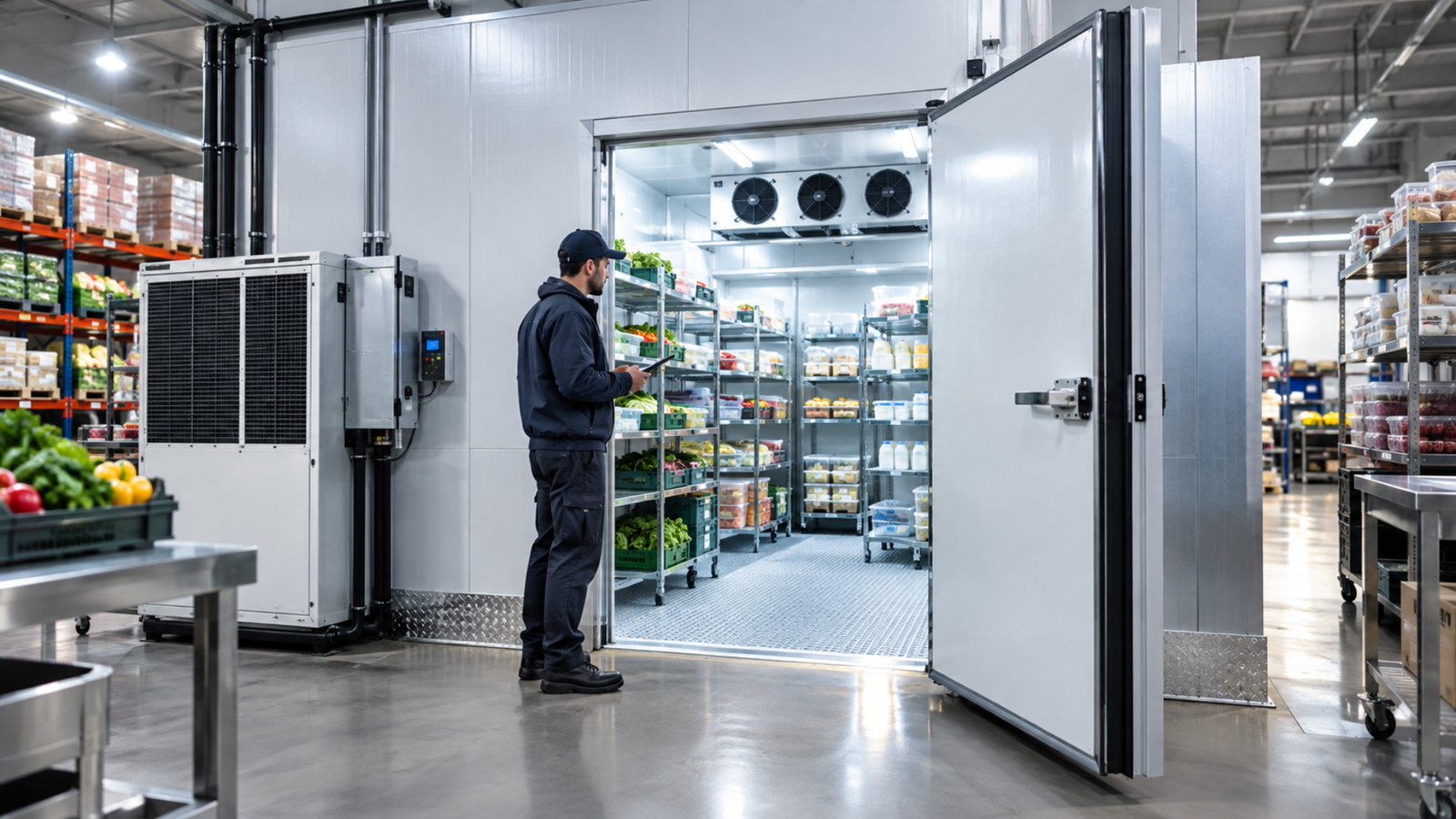
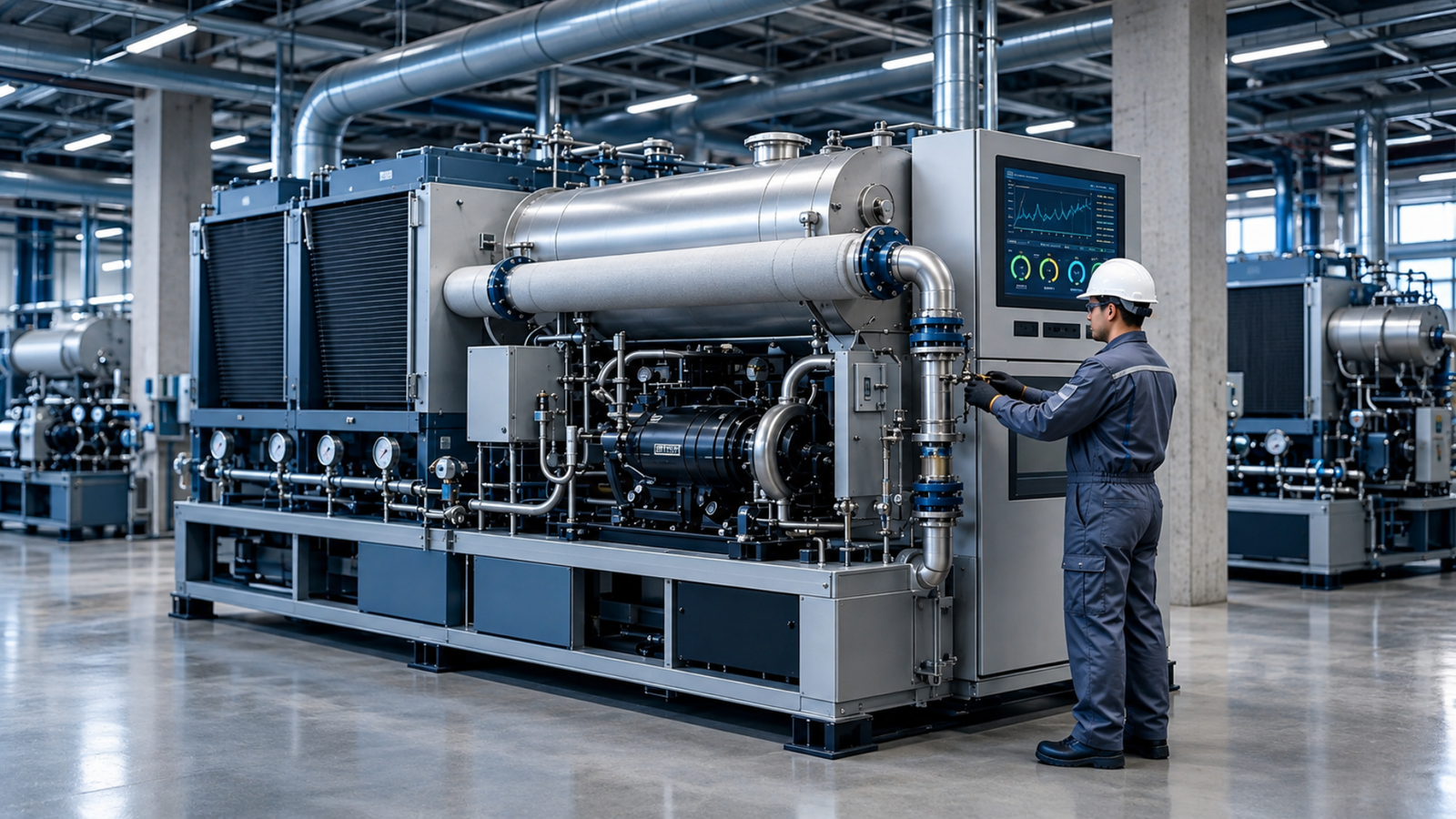
Walk-in chillers are larger, room-sized refrigerated storage units you can physically walk into to store perishable goods at cool temperatures above freezing. They play a key role, especially in restaurants, supermarkets and grocery stores, pharmaceuticals and healthcare, and floristry. Since every industry seeks efficiency and sustainability, energy consumption has become a major concern. Most people often think industrial chillers only increase overall energy consumption, leading to humongous energy bills. However, it is the other way around.
Failing to choose proper industrial chillers will only result in generating too much heat. This not only diminishes product quality but also slows down the production cycle, shortens the lifespan of machinery, and creates discomfort for workers. Ultimately, these issues can result in significant financial losses. This blog further discusses how to improve walk-in chiller energy efficiency and reduce operational costs. So, keep reading to learn more.
Ways to Improve Walk-in Chiller Energy Efficiency and Reduce Operating Costs
Wondering what exactly chiller efficiency is? Well, it refers to how effectively a cooling system converts electrical energy into cooling output. Now, why does improving chiller efficiency matter? It is crucial to reduce energy consumption and operational costs, extend equipment lifespan, and improve sustainability. Some of the common factors that affect chiller efficiency include inefficient load management, poor water treatment in cooling towers, outdated controls, refrigerant issues, or fouling and scaling in heat exchangers.
Here are some of the ways you can improve chiller energy efficiency:
- Regular cleaning of condenser and evaporator coils, as fouling can create a thermal barrier that forces the system to work harder while delivering less cooling.
- Practice effective load management to reduce chiller energy consumption. Try implementing reset strategies for chilled water temperature and distribute cooling demand across available resources.
- Ensure you track chiller performance because it can help identify efficiency drops before they impact costs.
- Service the chiller regularly for optimal performance.
- Control water quality, as they directly affect condenser performance. Know that poor water quality results in scaling and corrosion that can reduce heat transfer efficiency and even damage the equipment.
- Try non-chemical water treatment, as it can help maintain optimal water conditions without the environmental impact. This also helps handle concers of traditional chemicals.
How Choosing the Best Cold Room Services Helps
Running a commercial facility means dealing with all kinds of challenges, and electricity happens to be one of the largest monthly bills. As you know, commercial refrigeration operates 24*7 and its operation cannot be disrupted. However, optimizing the walk-in chiller’s energy efficiency can reduce operating costs to a greater extent. Often, business owners accept the fact that they have to pay huge bills to keep refrigeration systems running. But the truth is, understanding the components that drive energy use and implementing proper strategic upgrades provides you with significant control over how much power cold storage units consume.
Upgrading to advanced, energy-efficient technology not only helps save you money but can also extend the lifespan of your equipment. It also protects your valuable inventory from temperature fluctuations. One of the best cold storage manufacturers in Dubai UAE, is Firstcool, with over 30 years of experience. Firstcool is a team of professionals who specialize in providing high-quality cold room solutions. They offer services including manufacturing, installation, and maintenance of temperature-controlled storage systems. Investing in Firstcool can be a great choice if you’re looking forward to improve energy efficiency and cut down operational costs because Firstcool uses advanced materials and smart technologies to keep cold air inside while reducing the workload on the mechanical system.
Conclusion
Improving walk-in chiller efficiency does not have to be complicated. It can be done by implementing proper strategies. However, it is important to choose the best and professional walk-in chiller cold room services to optimize cooling service and to get maximum performance. Firstcool happens to be an experienced cold room service team based in the UAE that specialises in high-quality cold room solutions. Firstcool is led by a team of experienced professionals who offer tailored solutions according to each client’s needs. They are well-known for their reliability, efficiency, and long-term performance. If you’re looking for a professional and experienced cold room service, Firstcool could be a great choice.
Frequently Asked Questions
What is the difference between a cold room and a chiller?
A cold room refers to a large, insulated walk-in storage space, whereas a chiller is a specific type of cold room that maintains above-freezing temperatures for fresh items.
What are the things to consider when choosing a walk-in chiller?
When choosing a walk-in chiller, look for its cooling capacity, energy efficiency ratings, maintenance requirements, and compatibility with existing systems.
What is the most effective way to improve chiller efficiency?
Regular maintenance happens to be the most impactful approach to improving chiller efficiency. Also, automatic tube cleaning systems, smart controls, and optimized load distribution can improve chiller efficiency.
Expansion Valve vs Capillary Tube: Which Is Better for Refrigeration Systems?
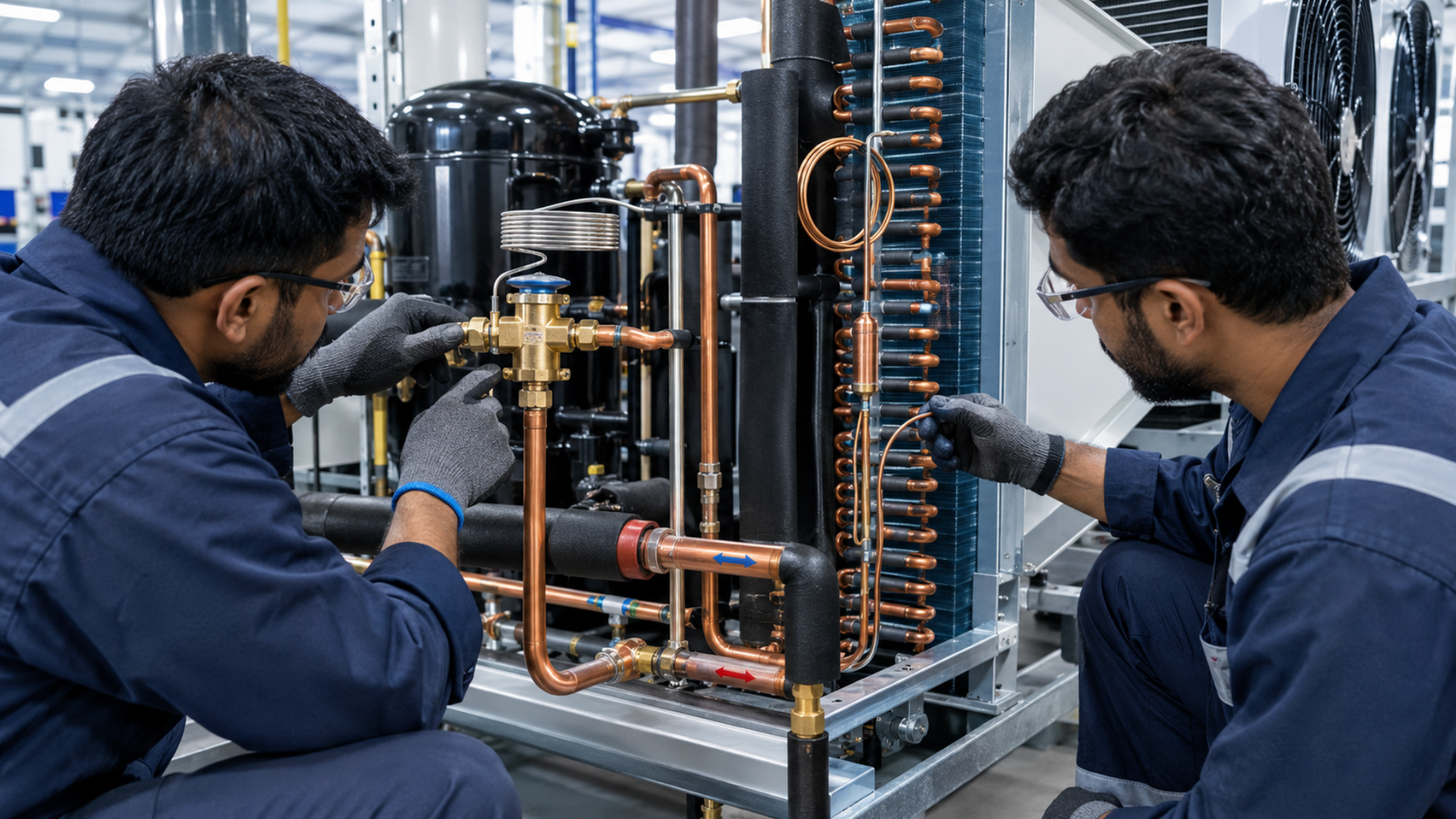
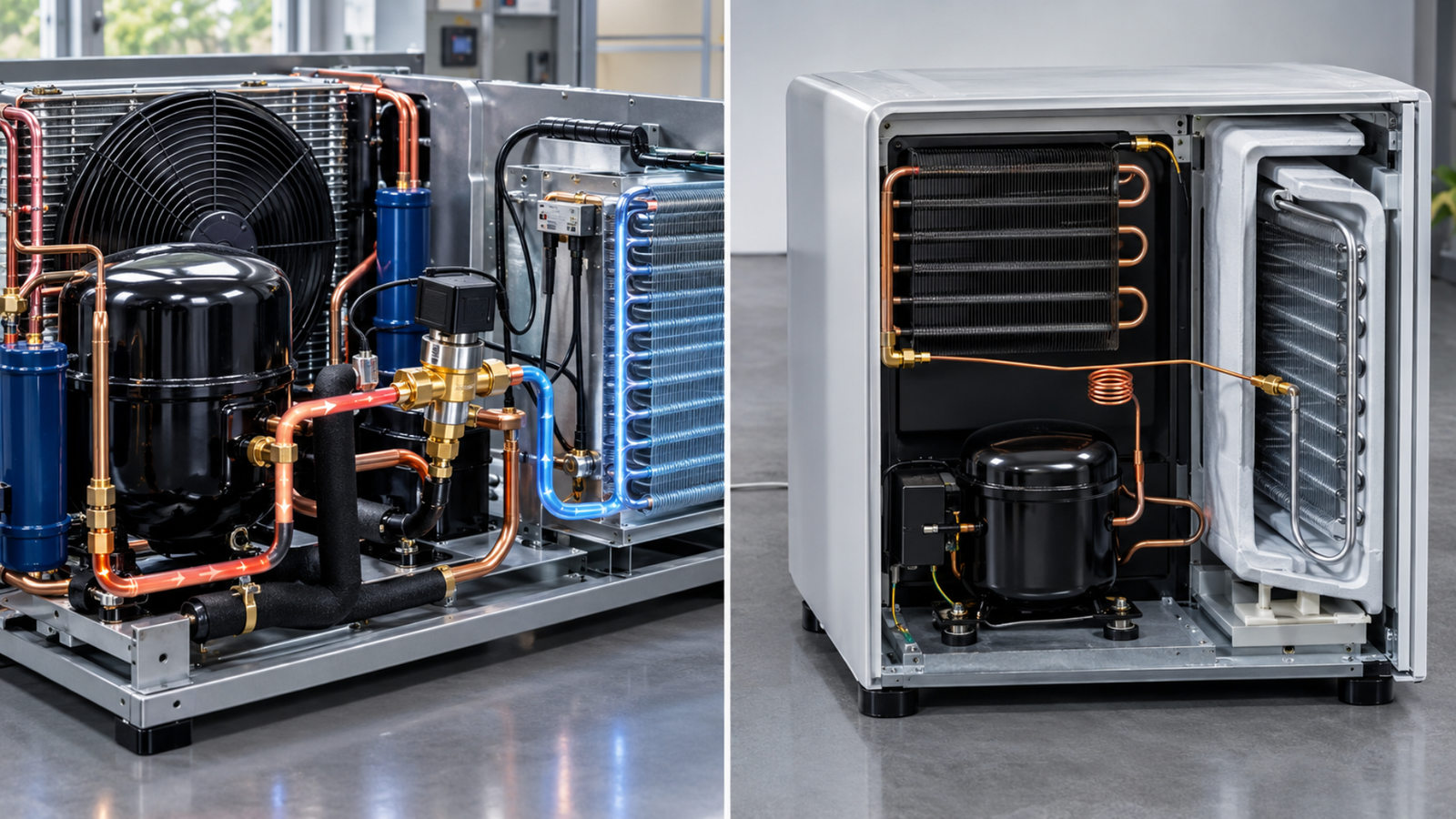
Before learning whether an expansion valve or capillary tube is better for refrigeration systems, it is important to learn what and how both of them work. In simpler terms, an expansion valve is a vital component in refrigeration systems that helps reduce refrigerant pressure. It controls the flow of liquid refrigerant into the evaporator and reduces its pressure from high to low. On the other hand, a capillary tube is a very thin copper tube that acts as an expansion and metering device, dropping pressure and regulating refrigerant flow.
Both the expansion valve and the capillary tube are essential in a refrigeration system, as they make it possible to drop the refrigerant’s pressure and temperature so it can absorb heat in the evaporator. This blog further discusses the difference between an expansion valve and a capillary tube to determine which is better for refrigeration systems. So, keep reading to learn more.
What is an Expansion Valve?
Controlling refrigerant flow in refrigeration systems is crucial for maintaining cooling capacity, cooling effect, and performance. This is where an expansion valve plays its role. Know that the design and performance of the expansion valve can directly impact a system’s performance and efficiency. As for how an expansion valve works, it transforms high-pressure, high-temperature liquid refrigerant into low-pressure, low-temperature vaporized refrigerant. This ensures the normal operation of the refrigeration system.
What is a Capillary Tube?
A capillary tube is a metering device commonly used in refrigeration systems to maintain temperature. It is installed between the condensing unit and the evaporator and is considered an essential part of the refrigeration system since it functions to control the flow of refrigerant. The main advantages of capillary tubes are that they are simple and cost-effective, meaning they don’t need any moving parts, making them affordable and easy to maintain. They also ensure a steady, controlled supply of fluids, and their small size makes them ideal for space-constrained applications.
Difference Between Expansion Valve and Capillary Tube:
The key difference between an expansion valve and a capillary tube is that the former has excellent load adaptability, as it adjusts to changing heat loads, but the latter only has fixed load adaptability, as it performs under stable, designed conditions. Regarding efficiency, the expansion valve has higher efficiency in variable-load or fluctuating ambient conditions, whereas the capillary tube is efficient in steady-load, compact systems with precise charges. Another main difference between them is cost and complexity. While the expansion valve is more expensive because it has moving parts and requires more installation care, the capillary tube is more affordable as it is simple, highly durable, and easy to replace.
Which is Better For Refrigeration Systems: Expansion Valve or Capillary Tube?
When choosing between an expansion valve and capillary tube, neither is universally better. The right choice depends solely on the system’s size, load variability, and cost requirements. The core difference is that the expansion valve is an electronic device with moving parts that actively adjusts refrigerant flow based on evaporator superheat. On the other hand, a capillary tube is a fixed-length, narrow-diameter copper tube that creates constant restriction with no moving parts.
You could choose an expansion valve if you are dealing with a larger system, frequent load fluctuations, variable compression speeds, or wide ambient temperature swings. However, you can choose a capillary tube if you are building or repairing a small, factory-sealed, low-capacity system, such as a domestic fridge or small water cooler. It is very helpful in operating conditions that remain steady and where cost-efficiency is a priority.
Why Choosing the Best Cold Room Services Matters
Choosing the best cold room services matters because the right services use the metering devices to determine your system’s efficiency, cooling speed, and temperature stability. Partnering with the ideal cold room services plays a key role since an inexperienced technician might install a cheap, incorrect component that causes frequent system breakdowns, shortens your compressors’ lifespan, or leads to high energy bills.
One of the leading cold room services in Dubai UAE, is Firstcool, with over 30 years of experience. Firstcool specialises in high-quality cold room solutions, offering services like manufacturing, installation, and maintenance of temperature-controlled storage systems. They are a team of professionals who provide tailored solutions that ensure efficiency, reliability, and long-term performance. So, if you’re looking for a reputable and experienced cool room service, Firstcool is a great choice.
Conclusion
Both the expansion valve and the capillary tube play a primary role in a refrigeration system, as they work to drop the pressure and temperature of the liquid refrigerant before it enters the evaporator. Choosing the right devices and services is crucial to get the best outcome. Understand that a cold room is a major financial investment, which is why hiring top-tier professionals is important.
Firstcool is a prominent cold room service that provides seamless solutions for the manufacturing, installation, and maintenance of commercial cold rooms and refrigeration systems across Dubai, UAE. Firstcool provides a wide range of high-quality products and services that are designed to meet the diverse needs of clients. Firstcool is a great choice if you’re looking for experienced and professional cold room services.
Frequently Asked Questions
What is the capillary tube used for?
A capillary tube is a very narrow, thin-walled pipe that is used to control fluid flow, measure tiny liquid samples, or regulate pressure across different systems.
Why do expansion valves fail?
An expansion valve often fails due to contamination, mechanical wear, or temperature sensor damage, leading to blockages or mismanagement of refrigerant flow.
Are a capillary tube and expansion valve the same?
No, they are not the same, even though both serve as expansion or metering devices in refrigeration or air conditioning systems to reduce refrigerant pressure.
What Is a Psychrometric Chart? Understanding Temperature, Humidity, and Air Moisture
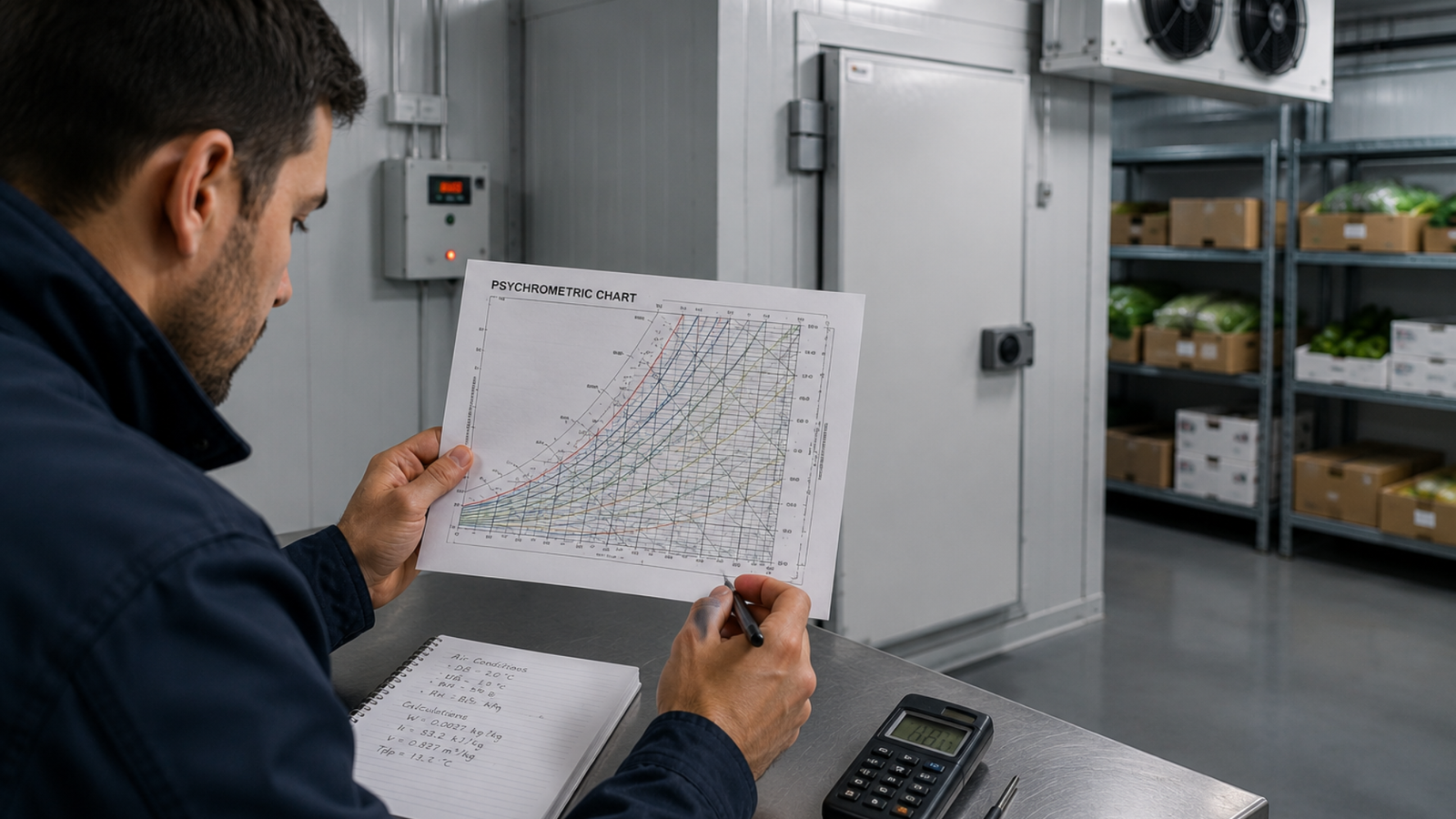
A psychrometric chart refers to a graphical tool that depicts the relationship between temperature, humidity, and moisture. It simply shows how temperature, humidity, and heat content interact with a mixture of air and water vapor, and how they relate to one another. This tool is mainly used by engineers and technicians to predict how the air will behave. The chart helps a designer interpret several important air properties, including wet-bulb and dry-bulb temperature, relative humidity, humidity ratio, dew point temperature, specific volume, and enthalpy (total heat content).
This tool is very useful in estimating humidity loads, assessing condensation risk, evaluating humidity problems, designing humidification or dehumidification systems, and reviewing outdoor air impacts. The blog further discusses why the psychrometric chart is important and how they matter in cold rooms. So, keep reading to learn more.
What is a Psychrometric Chart and How to Read it?
A psychrometric chart illustrates how air is likely to behave when its temperature and moisture content change, making it one of the most valuable tools. As for psychrometric chart reading, you should first find any two properties of the air, such as dry-bulb temperature and relative humidity, and then locate where two corresponding measurement lines intersect on the grid. The next step is to plot a single point at that exact crossing location. You can thus read the remaining unknown air properties by following the surrounding grid lines from that point.
Why is it Important to Learn About the Psychrometric Chart
Mastering the psychrometric chart is crucial to learn about air properties and their interactions. It helps you know how different humidity parameters relate to each other, which is especially important for designing and controlling HVAC systems. Being proficient with the chart helps make more accurate measurements, leading to better energy efficiency and environmental control. Investing time in learning about this tool will be quite helpful in making better, informed decisions in your field. You not only boost your professional skills but also contribute to effective environmental control solutions.
The Role of the Psychrometric Chart in Cold Storage Facilities
A psychrometric chart can be very helpful in cold storage facilities because when warm, humid outdoor air enters a refrigerated environment, moisture can condense or freeze on surfaces. This can result in several operational problems, product quality issues, and safety concerns. Proper psychrometric analysis helps determine moisture infiltration rates and size dehumidification equipment as required. Being educated about dew points, humidity ratios, and airflow requirements can prevent buildup of ice while helping maintain optimal storage conditions. In addition, a psychrometric chart helps with energy efficiency planning. This is because refrigeration is energy-intensive and learning air enthalpy helps optimise equipment run-times and cooling loads.
Why Does Choosing the Best Cold Room Solution Matter?
Choosing the ideal cold room solution is crucial as it utilises psychrometric data and analysis during the engineering phase. A psychrometric chart is commonly used in cold room design to map and control air temperature, moisture levels, and total heat energy, so that stored products do not waste away or spoil. Firstcool is one of the leading cold storage manufacturers in Dubai, UAE, with over 30 years of experience in the field. Firstcool offers several services, including manufacturing, installation, and maintenance of temperature-controlled storage systems.
Firstcool is led by experienced professionals and is known for long-lasting reliability and providing freshness of products. They specialise in delivering a wide variety of high-quality products and services designed to meet the needs of clients across the UAE. If you are looking for a professional, experienced cold room service team, then Firstcool is a great choice.

Conclusion
The psychrometric chart is said to be one of the most powerful tools in industrial ventilation engineering, as it helps explain complex relationships among temperature, humidity, airflow, and energy. Understanding the psychrometric chart can be useful in making better decisions about humidity control, heat removal, energy efficiency, and indoor air quality. This tool ensures that the ventilation systems support safety, integrity, and operational performance.
Choosing the right cold storage facility matters, as they utilise the psychrometric chart to measure, analyse, and control the temperature, humidity, and moisture content of the air. One of the prominent cold room services in Dubai, UAE, is Firstcool, which offers complete, professional cold room solutions. Firstcool is known to provide tailored solutions that ensure efficiency, reliability, and long-term performance. Choosing Firstcool can be a good call if you’re looking for experienced and premium cold room services.
Frequently Asked Questions
Why do HVAC engineers need a psychrometric chart?
Understanding a psychrometric chart is crucial for HVAC engineers as it helps with system design, saves energy, prevents problems such as condensation, mold, freezing, and corrosion, and controls air quality.
How to find humidity from a psychrometric chart?
You need to know the air properties, such as dry-bulb temperature and wet-bulb temperature, or dry-bulb temperature and relative humidity, to find the intersection point on the grid.
What are the different types of psychrometric charts?
Psychrometric charts are commonly differentiated by their temperature range, unit system, and format.

The Role of Vapour Barriers in High-Quality Cold Room Manufacturing
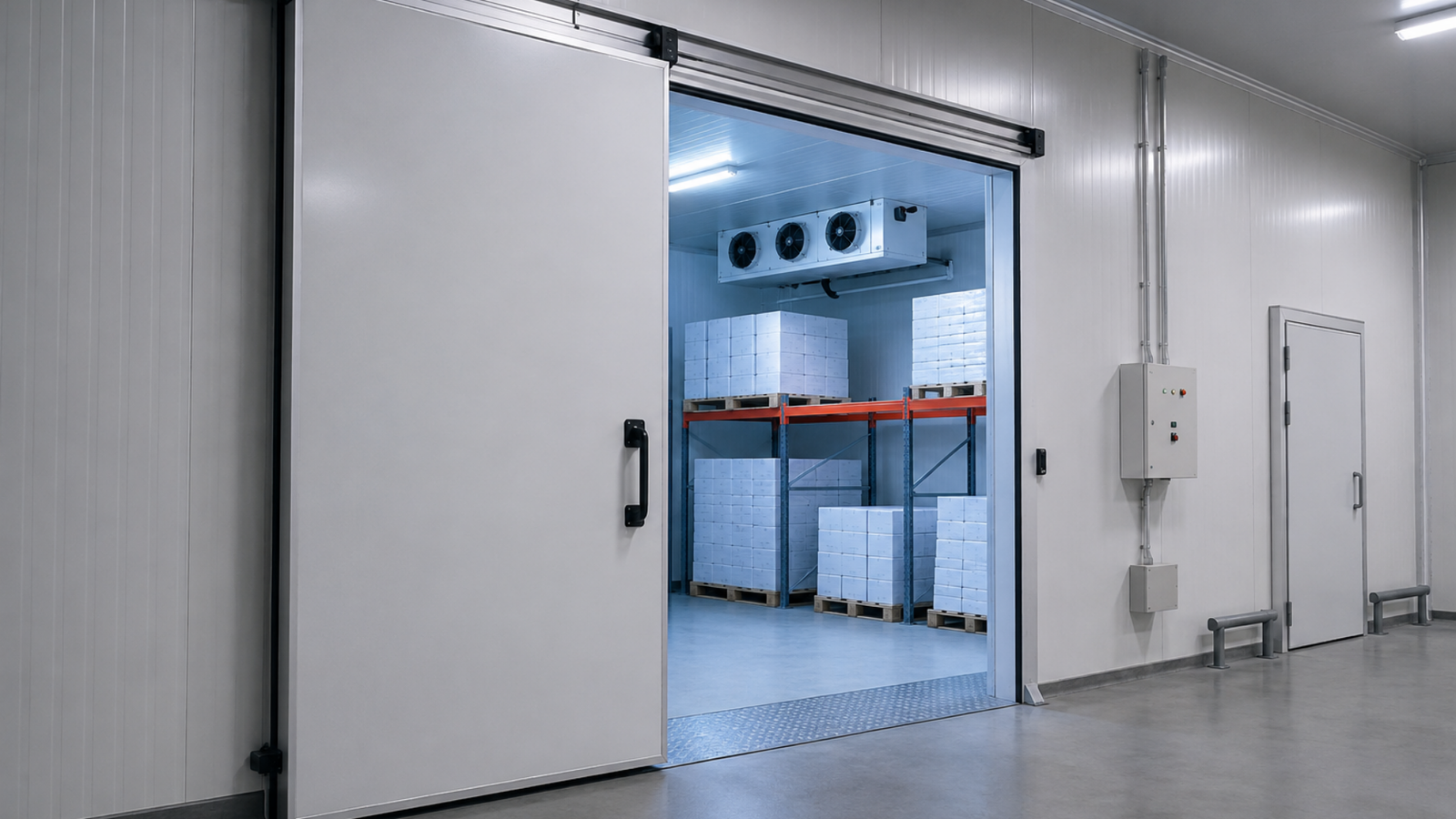
Vapour barriers are very important in cold rooms as they act as continuous, low-permeability shields that stop moisture-laden warm air from getting into the cold room’s insulation envelope. Well, what is a vapour barrier? It is a protective plastic or foil layer used in cold room manufacturing in order to prevent warm moisture from entering and destroying the wall insulation. Outside warm air can be a threat, as it holds more water than cold air inside a cold room, and when warm moisture hits cold insulation, it turns into liquid water or ice.
For cold rooms and freezer facilities, moisture control is crucial because it is what determines their long-term building performance and energy efficiency. Without a proper vapour barrier system, moisture can end up infiltrating the insulation, thereby leading to frost formation, mold growth, and insulation degradation. This blog further discusses the role of vapour barriers in cold room manufacturing. So, keep reading to learn more.
Why Vapour Barriers Matter in Cold Rooms
Vapour barriers play a key role in cold rooms as they help control condensation and eliminate moisture-related issues. They matter for the following reasons:
Controls moisture
The main function of a vapour barrier is to prevent moisture from entering or exiting a space. Since moisture infiltration can lead to mould growth, rot, and material deterioration, a high-quality vapour barrier can help control water vapour movement. This helps reduce the risk of moisture-related problems and enhances the long-term durability of the roof or space.
Protects insulation
Wet insulation loses its ability to block heat, and having a barrier keeps the insulation dry and strong. This also helps prevent thermal bridging by ensuring consistent thermal performance throughout the cold room.
Prevents condensation
In a cool, damp climate, warm indoor air can carry moisture, which, when it comes into contact with colder surfaces, can condense into liquid water. This can cause degradation of insulation performance and structural damage. However, a proper vapour barrier reduces the risk of condensation by blocking the movement of warm, moisture-filled air onto the colder parts of the room.
Prevents frost buildup
Stopping the outside moisture can help stop ice or frost from forming inside the wall panels. It is crucial to prevent ice buildup as it can crack and break the building materials.
Enhances air quality and health
Moisture infiltration creates a favourable environment for mould growth, which can lead to poor air quality and potential health complications. Vapour barriers keep the walls dry, thereby preventing mold growth. This eventually helps keep food and other medical supplies clean and safe while maintaining a healthier indoor environment.
Saves energy
Moisture infiltration compromises insulation’s thermal performance, making cold rooms less effective at maintaining indoor temperatures. However, vapour barriers keep the insulation dry, which prevents heat from leaking into the cold room. This allows the cooling systems to work less and use less electricity.
The Importance of Choosing the Best Cold Room Services
When opting for a vapour barrier, it is important to consider factors like its design, climate zone, type of insulation used, and local building regulations. Using a high-quality vapour barrier that is compatible with your space and requirements can help maximise benefits, overall performance, and longevity. As you know, there are many cold room services in Dubai, UAE, and one of the prominent among them is Firstcool, with 30 years of experience in the field.
Firstcool is a cold room company specialising in manufacturing, installation, and maintenance of temperature-controlled storage systems. The services are led by experienced professionals who ensure efficiency, reliability, and long-lasting performance. Also, the services are specially designed to meet the diverse needs of clients across the UAE. If you’re looking for professional cold room services, Firstcool can be an ideal choice.
Conclusion
The performance of cold rooms greatly depends on the condition of insulation, seals, and doors. Proper vapour barriers can help lower operating costs and protect product integrity by reducing air infiltration, heat gain, and moisture ingress. Choosing expert cold room services is vital because an improperly handled vapour barrier can lead to trapped moisture, rotting walls, and total insulation failure. Experts know that vapour barriers must be installed on the warm side of the insulation to stop warm, humid air from condensing inside the room.
Additionally, professional technicians use specialised and high-quality materials to eliminate microscopic air gaps. This helps stop condensation from causing mold growth, thereby protecting food safety and hygiene compliance. One of the prominent cold room manufacturers in UAE is Firstcool, with over 30 years of expertise. They offer reliable maintenance services and repair solutions for refrigeration and air conditioning systems. They also manufacture high-quality insulated doors, which would be ideal for your cold room requirements. Firstcool can be a great choice if you’re looking for a professional cold room service in Dubai.
Frequently Asked Questions
What are the best practices for vapour control in cold rooms?
Some of the best practices include sealing every joint and seam because even a tiny gap can let moisture inside. Also, understand that the barrier must go on the warm side of the insulation, and ensure you use only high-quality materials so it lasts longer.
Why does a cold room show temperature variation regardless of proper refrigeration?
Issues like air leaks, poor insulation, and thermal bridging are likely the cause of temperature variations.
What are the common signs of vapour barrier failure?
Noticing moisture around panel joints or doors, ice buildup, and condensation are the common signs of vapour barrier failure.
Why Planned Preventative Maintenance Is Essential for Cold Rooms in 2026
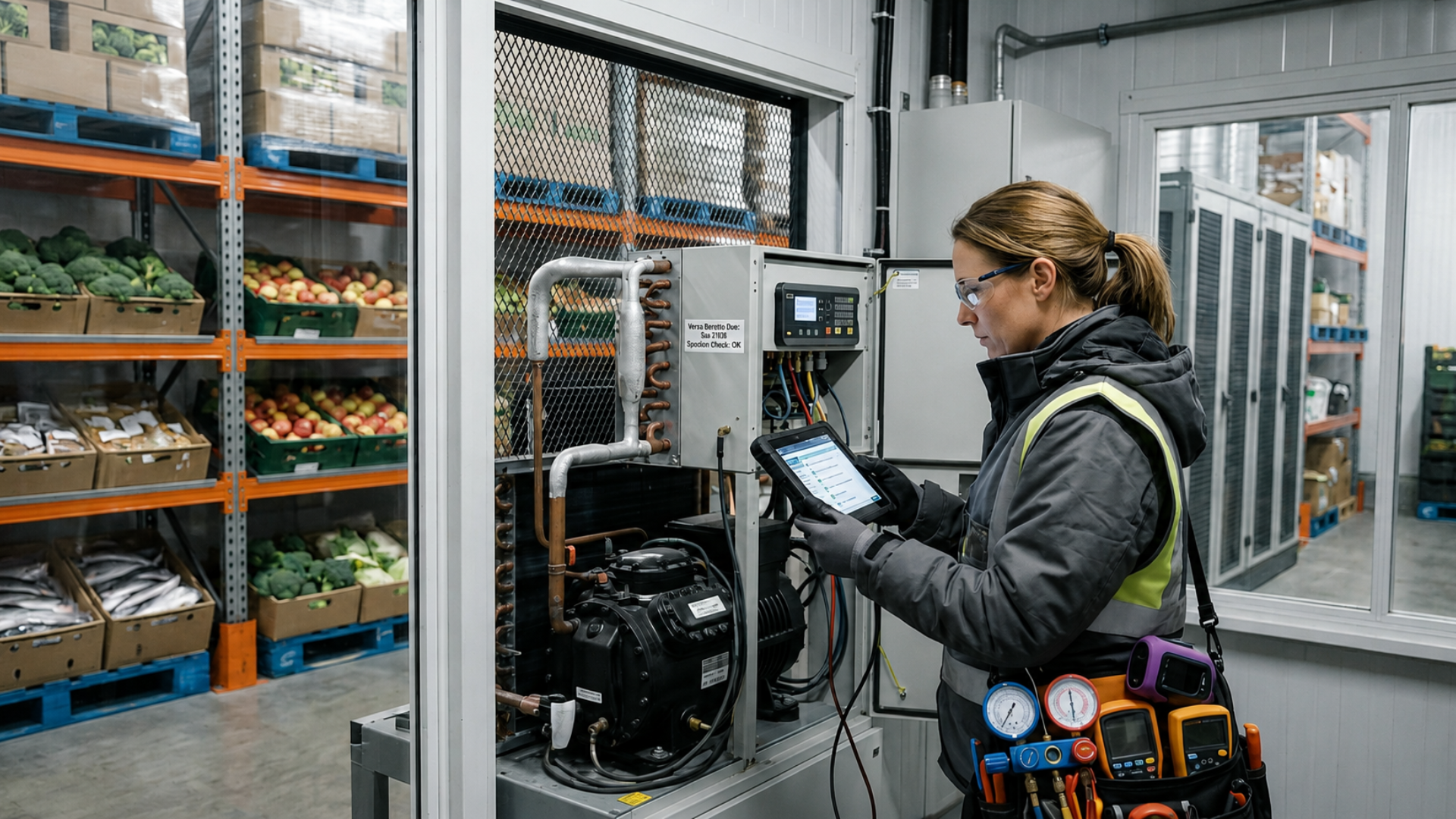
Planned Preventative Maintenance (PPM) is crucial for cold rooms, especially in 2026, as it helps prevent costly product spoilage, reduce runaway energy bills, and cut down emergency downtime. Well, what is PPM? It is a proactive strategy where inspections, servicing, and repairs of equipment are scheduled in advance at a fixed time or usage intervals. This is to avoid unexpected breakdowns, extend asset lifespan, and reduce long-term repair costs.
As for why PPM matters for cold rooms, it focuses on steady upkeep to ensure the operations run smoothly rather than just fixing a machine after it breaks. This blog further discusses how PPM is beneficial for cold rooms and its relevance in 2026. So, keep reading to learn more.
The Role of Proper Refrigeration Systems and PPM in Business
As you know, commercial and industrial businesses heavily rely on refrigeration, and breakdowns of refrigeration services are not merely inconvenient but can be costly and disruptive. It can even cause damage to your reputation. Be mindful that refrigeration maintenance is most effective when it is planned with intent rather than addressed only after a problem arises. Implementing preventive maintenance ensures the refrigeration system is tested, inspected, and maintained regularly before problems arise. Instead of waiting for things to go wrong, PPM identifies and resolves issues early.
Why Planned Preventative Maintenance Matters in 2026
In 2026, PPM is considered critical to protect your business operations. Without proper planning, even minor issues can lead to significant system failures, disrupting operations and increasing costs. For temperature-critical environments, PPM matters a great deal, as it ensures continuous compliance with regulations, reduces the risk of unplanned downtime, prolongs equipment lifespan, lowers energy costs, and offers more reliability during audits and inspections. In a nutshell, maintenance planning certifies that the cooling system doesn’t just work, but performs accurately, safely, and consistently.
Benefits of Implementing PPM in Your Cold Rooms
- Reduces downtime by preventing faults before they escalate. This helps avoid costly emergency callouts.
- Ensures consistent performance by maintaining temperature accuracy, especially for critical environments.
- Improves energy efficiency because a well-maintained system utilises less power, which reduces running costs.
- Offers a longer lifespan for the refrigeration system and delays the need for replacements, which can be costly.
- Ensures compliance with regulations, hygiene standards, and audit requirements.
- Provides a better visibility into maintenance costs.
- Helps save money, as there will be fewer emergency service calls and lower total repair costs over time.
- Reduces uncertainty and allows one to focus on their work instead of worrying about unexpected system performance issues.
Why Choose Prominent Cold Room Maintenance Dubai, UAE
PPM is not just about keeping the machines running, but rather is about protecting your research, data integrity, and company reputation. Investing in a professional cold storage manufacturer in Dubai, UAE, can help you safeguard against unexpected failures, financial loss, and regulatory non-compliance.
Firstcool is a leading cold room provider in Dubai with over 30 years of experience in the field. They specialize in high-quality cold room solutions and offer comprehensive services. They offer seamless maintenance services and repair solutions for refrigeration and air conditioning systems, along with annual contracts to guarantee consistent performance and system longevity. Firstcool would be a great choice if you are looking for tailored solutions that ensure reliability, efficiency, and long-term performance.

Conclusion
Planned Preventative Maintenance can be very useful in reducing emergency repairs, protecting inventory, and supporting compliance requirements, especially for commercial facilities that rely mostly on refrigeration systems for daily operations. It offers an opportunity to evaluate the system condition, align the budget, and reduce operational risks. However, choosing the right preventive maintenance service matters in order to ensure the refrigeration system runs smoothly and without trouble.
Firstcool is a UAE-based cold room provider with years of experience in manufacturing, installation, and maintenance of commercial cold rooms and storage systems. With Firstcool, you can gain a team that is dedicated to keeping your cold rooms and cooling systems performing well and precisely.
Frequently Asked Questions
Can proper refrigeration maintenance help reduce emergency repairs?
Yes. PPM helps identify any potential airflow issues, identify wear, and other concerns early, thereby reducing the need for emergency service calls.
What is the risk of not having planned preventative maintenance?
Many still rely on a reactive maintenance approach, where they only address a problem after the performance is visibly affected or if the system is completely shut down. Not having preventive maintenance can disrupt research, lead to emergency service calls, increase repair costs, and reduce the lifespan of refrigeration systems.
What are the best preventive practices that can help improve cold room performance?
Keeping the place clean, checking door seals and insulation, monitoring and controlling the temperature, maintaining electrical and power systems, proper degrosting and airflow management, and routine performance reviews.
When should I choose preventive maintenance?
Implement preventive maintenance immediately, especially for mission-critical assets, systems that require regulatory compliance, and equipment with predictable wear-and-tear patterns.

What Is Reliability Centered Maintenance (RCM)? A Complete Guide for Cold Room Systems
Reliability Centered Maintenance (RCM) is a structured framework that identifies the most suitable and effective maintenance strategy for each asset depending on its failure risks. Instead of applying a solution that fits all conditions, RCM focuses on using the right maintenance approach to assess each asset’s actual risk profile. This helps achieve lower maintenance costs, higher equipment costs, and an improvement in operational safety. While discussing RCM, it is also important to talk about Total Productive Maintenance (TPM), which refers to complementary strategies that are used to optimise equipment performance, but with different approaches. The main difference is that while RCM prioritises analysing critical assets to eliminate risks, TPM focuses on improving overall equipment effectiveness. This blog further discusses RCM and its relevance in cold rooms. So, let’s dig in.
What is Reliability Centered Maintenance and Why Does it Matter for Cold Rooms?
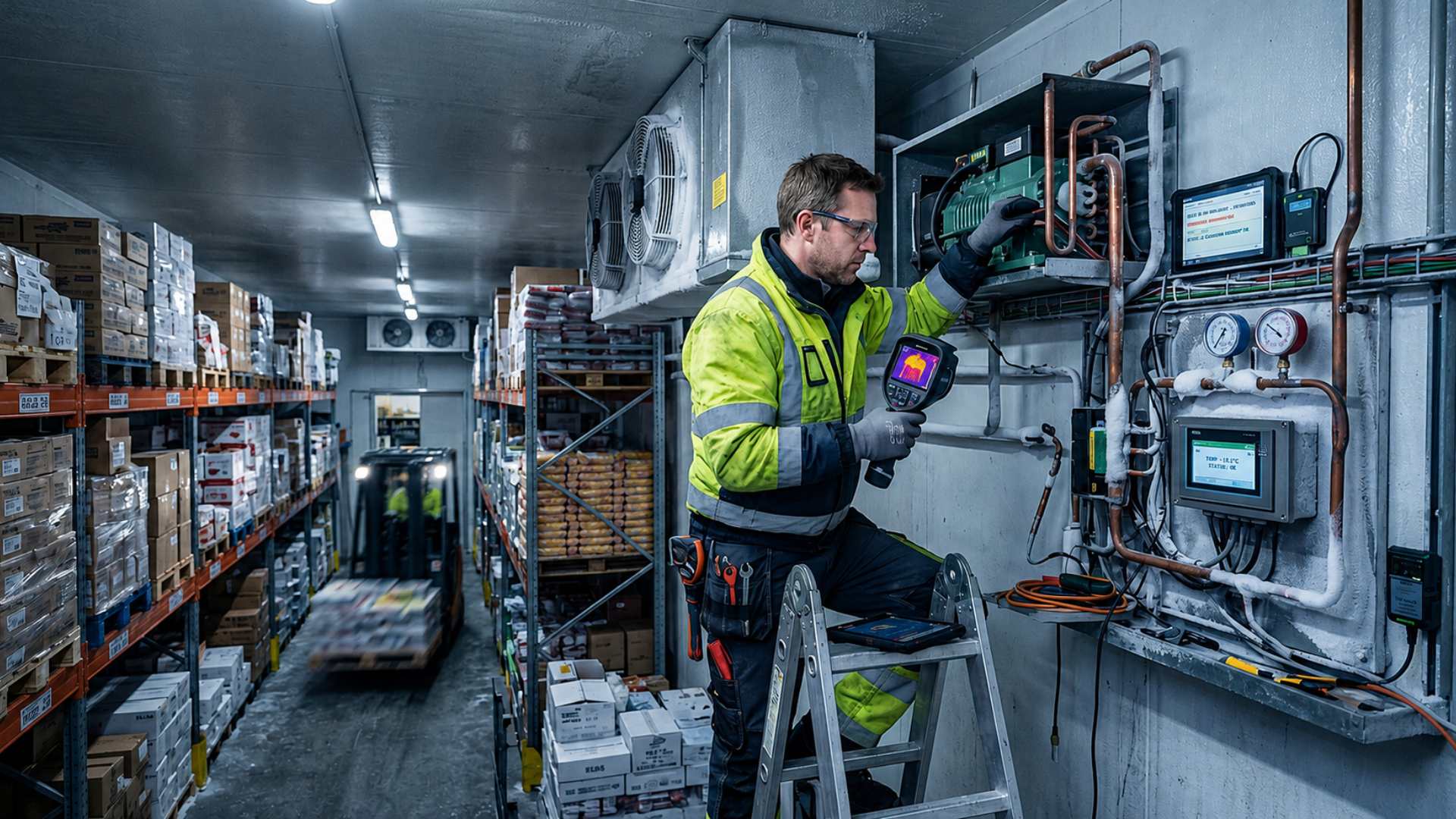
For cold room systems, Reliability Centered Maintenance helps optimize refrigeration, insulation, and controls to ensure maximum uptime and to prevent costly inventory spoilage. It also helps eliminate unnecessary servicing. RCM ensures that the cold room is at the required temperature and humidity, rather than just keeping a fan spinning. Since cold rooms are complex ecosystems, different components require tailored maintenance strategies, and applying RCM can help with that. Instead of relying on manual check-ins, RCM provides instant notifications in case environmental thresholds are breached. This helps operators to address power outages, mechanical failures, or incorrect temperature settings before spoilage or damage occurs.
Benefits of Reliability Centered Maintenance
Implementing RCM offers several benefits, including:
- Reduces unplanned downtime by helping identify and prevent critical failures before they occur. This ensures the operations run smoothly.
- Helps with cost control by directing resources where they will have the biggest impact.
- Improves safety by systematically understanding and managing high-consequence failure modes even before they occur.
- Offers stronger compliance as RCM provides structured documentation. It helps create an auditable record of how and why maintenance decisions were taken.
- Prolongs asset life by catching wear and tear early.
What is the 7-Step RCM Process?
RCM analysis follows a structured 7-step process, such as:
Identifying critical assets
The first step in RCM is identifying which equipment and systems warrant analysis. This involves assessing the potential impact of equipment failure on operations, safety, and financial outcomes.
Defining system boundaries and functions
After the critical assets are selected, the next step is to define the system each asset operates in, such as its role, inputs, outputs, and overall function. Setting clear boundaries provides a clear picture of the components that affect performance and ensures they are included in the analysis.
Identifying failure modes
The next step is to identify the ways each system can likely fail to perform. For this to work, and to ensure every failure scenario is captured, input from maintenance teams, operators, and engineers is required.
Performing root cause analysis
Once the failure modes are identified, the next step is understanding the underlying cause of each one. Through proper identification of the root causes, it becomes easier to address the actual problem and take corrective measures.
Evaluating the consequences of failure
Understand that each failure mode is assessed for its impacts on safety, cost, and operations. This helps determine how urgently or seriously each failure should be managed.
Choosing the appropriate maintenance strategy
The next step is selecting the maintenance strategy. It is important to choose the most technically feasible and economically viable solution for each failure mode.
Implementing the strategy and reviewing continuously
The final step is implementing the selected strategies and conducting reviews to measure and refine their effectiveness over time.
Why Does Choosing the Best Cold Room Matter?
Choosing the best cold room facility is crucial for Reliability Centered Maintenance because it is built around identifying failure consequences. A properly designed and high-quality cold room helps prevent component failures and ensures that the structural and mechanical elements are highly predictable and easy to inspect. There are plenty of cold room services in Dubai, UAE, and one of the best among them is Firstcool. With over 30 years of experience in the field, Firstcool is a leading provider that specialises in high-quality cold room solutions. They offer comprehensive solutions that ensure long-lasting reliability and performance. Relying on them can be an ideal choice if you’re looking for professional maintenance services and repair solutions.
Conclusion
Reliability Centered Maintenance is a proven methodology to enhance operational safety, improve equipment reliability, and optimise maintenance cost. Following a well-structured RCM approach makes it easier for organisations to make data-driven maintenance decisions, which helps reduce downtime and increase efficiency. It is especially helpful for cold rooms where a breakdown can result in massive financial loss through spoiled inventory. However, choosing an ideal cold room service can help prevent such occurance to an extent. Firstcool seems to be a good choice if you’re looking for a professional and experienced service team.
What is the difference between Reliability Centered Maintenance and Preventive Maintenance?
While RCM evaluates how each asset can fail and its potential consequences to take an appropriate strategy, Preventive Maintenance runs on a fixed time regardless of an asset’s actual condition or failure risk.
What industries use RCM?
Implementing RCM can be quite expensive, but organisations often recover these costs by reducing unplanned downtime, extending asset life, and improving maintenance efficiency.
Is RCM expensive?
Our travel packages typically include accommodation, transportation, and some guided tours. Check the details to see what’s specifically covered for each package.
What Is Temperature Mapping? FDA Guidelines, Protocols, and Procedures for Cold Rooms
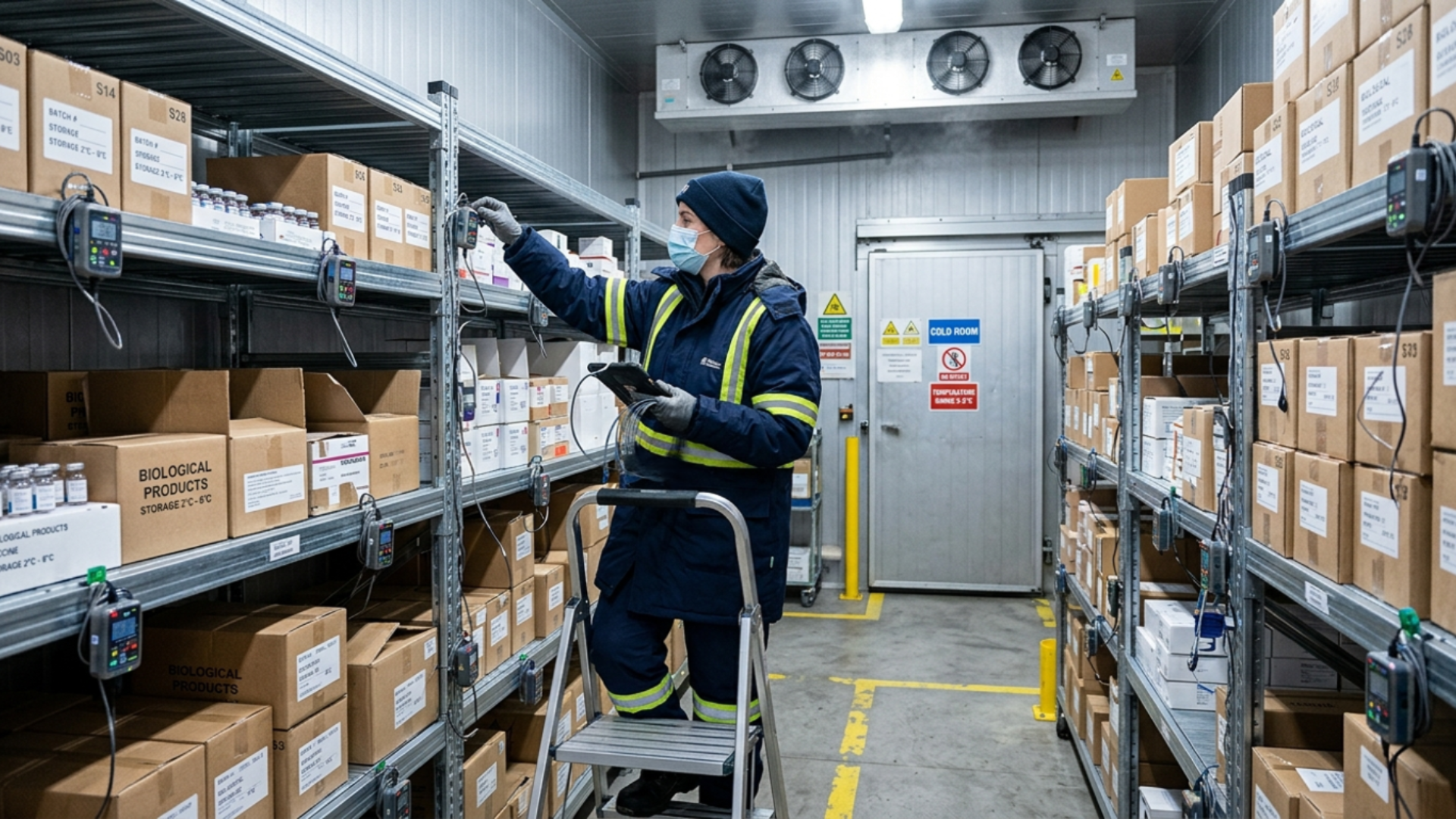
Temperature mapping refers to the process of using sensors to test the performance of a temperature-controlled storage space. It is used to document temperature distribution over time. It helps identify hot spots, cold spots, and airflow issues, allowing cold rooms to operate properly and ensure they comply with the regulatory standards. The purpose of temperature mapping is to verify that the storage space can maintain temperatures within the required range, even under various stability tests, power failure tests, and door opening tests. This process is crucial for all industries handling temperature-sensitive materials to ensure their safety and efficiency. This blog further discusses temperature mapping and its FDA guidelines, protocols, and procedures for cold rooms. So, let’s dig in.
Why Temperature Mapping Matters?
Temperature mapping matters in order to validate that equipment and facilities can hold products as per the required temperature range. Not mapping the data means there would be no solid documented evidence that the conditions are under control. This exposes the product quality and regulatory compliance. Thus, temperature mapping is crucial to regulate the environment where food is stored, which helps protect customers from foodborne illnesses. It is not only beneficial in keeping food items safe, but also helps businesses with consistent improvement projects to identify inconsistencies and areas of opportunity.
With temperature mapping, it becomes easier to determine the areas that are most prone to temperature fluctuations in a cold room. The data collected through this process can be used to understand the optimal and strategic locations for permanent monitoring. Apart from this, it can help prevent wastage and financial losses by eliminating the blind spots of fluctuating temperatures. It also gives us a rough idea about the physical layout and how the stacking of products impacts airflow. This allows the businesses to optimize space usage and operational efficiency.
Temperature Mapping Guidelines by FDA
The temperature mapping guidelines by FBA state that those who tend to store unprotected food items should complete a set of activities to ensure a safe storage temperature for the products. These activities involve establishing upper and lower temperature control limits to prevent the growth of any bacteria or pathogens, monitoring the control limits on a daily basis, and taking corrective measures to stabilize the temperature within its acceptable range.
The FDA also establishes best practices to manufacture human or animal drug products. This is why they have ensured companies must have the equipment to regulate storage temperature throughout the production, packaging, and storage of goods. FDA stresses that products must be stored at a temperature that does not compromise their purity, and any compromised product under irregular temperature conditions should not be sent to the marketplace.
About the Temperature Mapping Procedure
Temperature mapping should be carried out through definite processes for it to work best. The first step is planning, that is, identifying critical zones and developing a mapping protocol. The next step is sensor placement. It is required to install multiple calibrated data loggers at the top, middle, and bottom. Then comes the data recording, which means collecting the temperature readings of a certain period. Lastly, determine the maximum, minimum, and mean temperature on all points and highlight any unstable areas or deviations. You should provide a detailed validation report with a graphical temperature distribution.
Why is Choosing an Ideal Cold Room Facility Crucial for Temperature Mapping?

As you know, fluctuations in temperature can compromise the safety and quality of pharmaceutical products, medical devices, food items, and other temperature-sensitive goods. So, having proper temperature mapping can help keep the products safe and effective throughout. It is a tool that is used to demonstrate if the space is suitable for storage. However, even with all these tools, choosing the right cold room facility remains an important task. This is because it provides the controlled environment needed to identify accurate hot and cold spots.
There are many cold room manufacturers in Dubai UAE, and one of the prominent among them is Firstcool, with over 30 years of experience in the field. Firstcool offers refrigeration and air conditioning services and specializes in cold room manufacturing, installation, and maintenance. They are known for their efficiency, reliability, and long-term performance. So, if you are a business owner looking for the best safety storage space to boost your business, then Firstcool is a good choice.
Conclusion
Temperature mapping is a tool that helps measure how temperature is distributed throughout a controlled environment, such as a cold room. The temperature variations are recorded to identify hot and cold spots. Often, mapping is performed during initial system qualification (IQ/OQ/PQ), after major equipment changes, or during routine requalification. Proper mapping and an efficient cold room facility ensure that products remain unaffected and safe. This is why choosing a professional cold room facility is crucial. Firstcool happens to be a good choice as they specialise in providing solutions for commercial cold rooms and refrigeration systems throughout Dubai, UAE.
Frequently Asked Questions
What happens if a business does not comply with the temperature mapping FDA protocols?
The consequences can vary from fines to product recalls to reputational damage, which can be challenging for healthcare and pharmaceutical companies.
What are the benefits of accurate temperature mapping?
When used correctly, it offers several benefits, including early detection of inefficiencies, improved product quality and safety, reduced energy consumption, and extended equipment lifespan.
Why is temperature mapping required, especially in healthcare businesses?
Implementing temperature mapping can help understand if the storage areas can maintain the appropriate temperature and see if there are areas that require mitigation.
What is HACCP? Complete Guide to HACCP Standards for Food Safety in Cold Rooms
Well, what is HACCP? It stands for Hazard Analysis Critical Control Point, and refers to an internationally recognized food and safety management system. It is specially designed to identify, evaluate, and prevent the risk of any chemical, physical, or biological allergenic hazards in the food production process. Rather than a mere final inspection, this system focuses on controlling risks at every stage, including raw material production, handling, distribution, and consumption of the finished product. Today, many manufacturers and vendors utilise this system for better food safety management and compliance with GFSI audit schemes. This blog further discusses HACCP and its role in food safety in cold rooms. So, keep reading to learn more.
Why Was HACCP Developed?
The HACCP system was developed to guarantee the safety of food for consumers. It helps prevent physical, chemical, and biological hazards rather than relying on inspection of finished products. Before HACCP, the standard practice was end-product testing. However, with HACCP, it became easier to prevent foodborne illnesses and to avoid contamination from happening in the first place. This system plays a crucial role as it assures consumers that food production is done safely while meeting quality standards. It is also beneficial in reducing food waste, which ultimately supports cost efficiency.
What Are HACCP Guidelines?
The HACCP system mainly consists of seven guidelines/principles, including:
Conduct a hazard analysis
It is crucial to conduct a hazard analysis to identify the control measures. It helps determine the potential chemical, physical, and biological hazards during the production process that could make the food unsafe.
Determine the Critical Control Points (CCPs)
Identify the areas where control can be applied to reduce, prevent, or eliminate potential hazards.
Establish critical limits
Set maximum or minimum values, such as temperature, time, and pH, to ensure food safety and that the CCP is under control.
Establish monitoring procedures
Establish a system to define how, when, and by whom the CCPs will be monitored. This can ensure that the critical limits are met.
Establish corrective actions
Take action during monitoring if there is any deviation from the critical limits.
Establish verification procedures
Ensure and confirm that the HACCP system is working efficiently through proper observation and measures.
Establish record-keeping
Maintain accurate documentation of the HACCP plan and other monitoring activities for future audits and accountability.
Benefits of HACCP in Food Safety
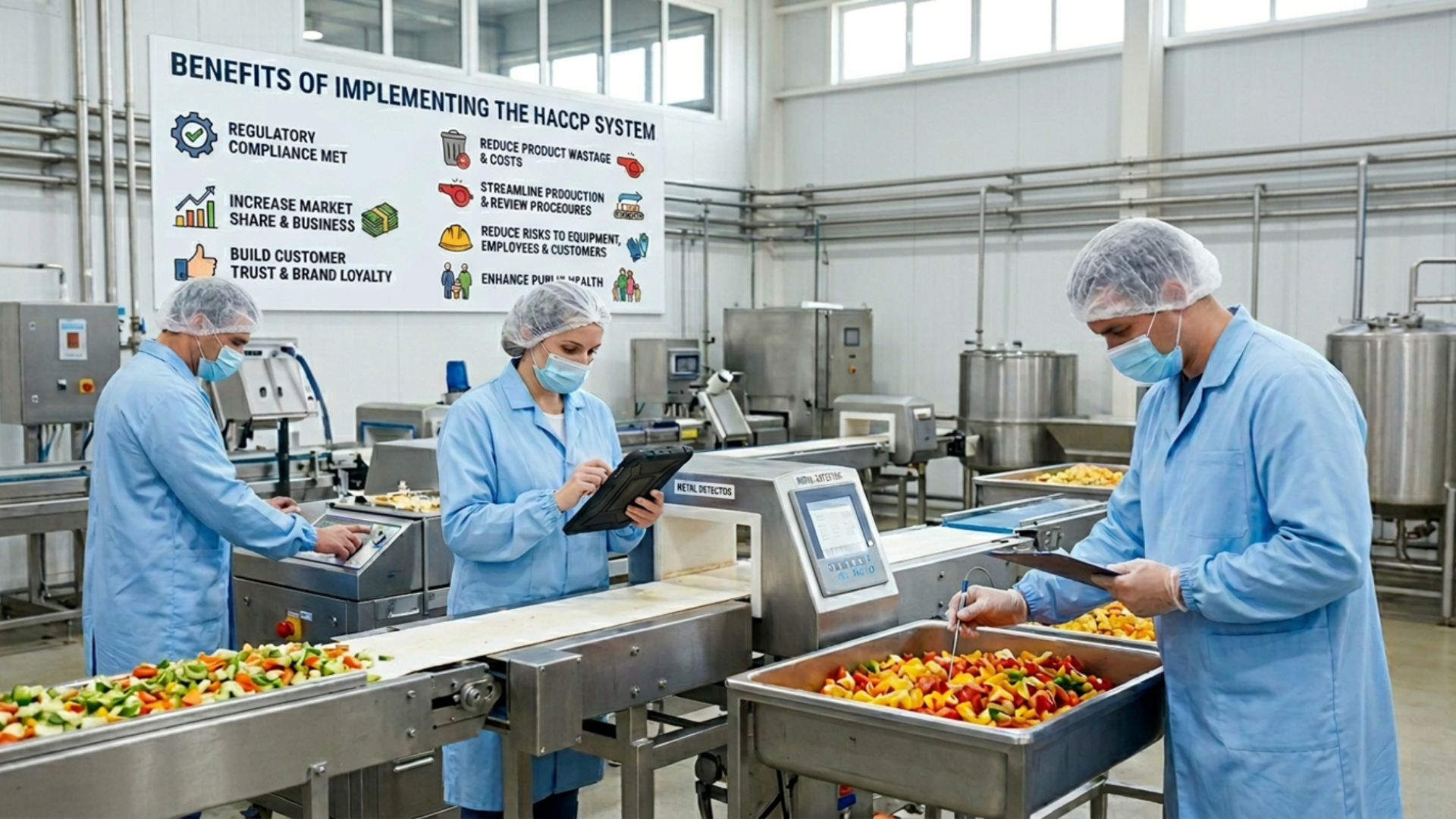
Maintaining proper and efficient food safety standards not only benefits your company but also its customers. Here are some of the advantages of implementing the HACCP system:
- Regulatory requirements will be met properly to produce products for distribution.
- Adhering to the HACCP system can help grow market share and increase business while helping access new markets.
- Increases customer trust and enhances brand loyalty.
- Reduces product wastage, which prevents unwanted costs.
- A proper HACCP plan reduces the chance of customer complaints and costly recalls.
- Production can be streamlined more efficiently by reviewing the facilities and procedures.
- A good HACCP plan cuts down the risks to equipment, employees, and customers.
- Maintaining strict practices enhances public health as well as increases trust in products.
Why is Choosing an Ideal HACCP Solution Important in Cold Rooms?
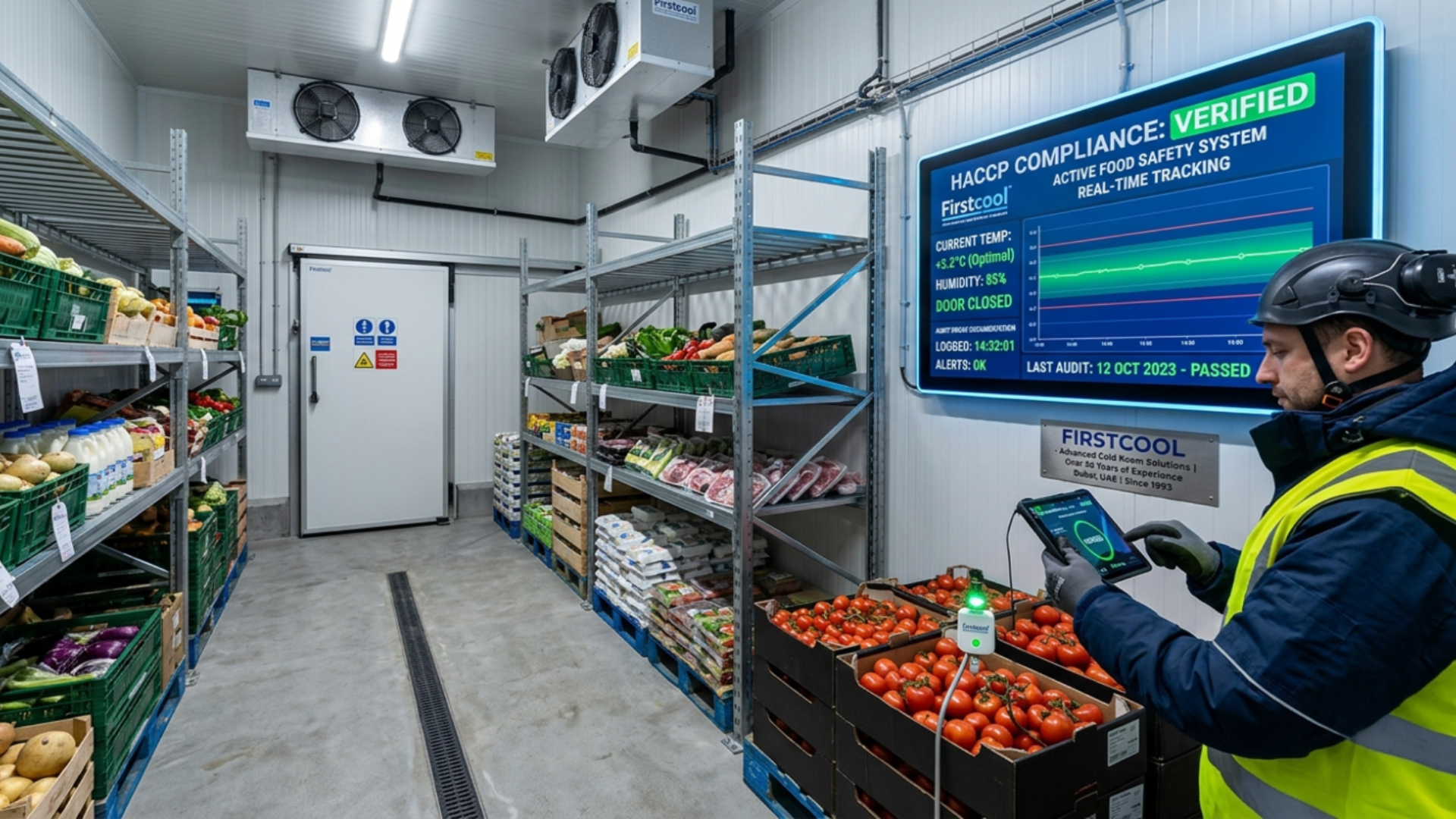
When dealing with any businesses related to food and safety, it is crucial to understand the importance of HACCP in cold rooms. This is because proper measures can help turn passive refrigeration into a safe, active, and verified food safety system. It ensures that the temperature stays controlled, thereby preventing any bacterial growth, food spoilage, and unwanted costs. Choosing an ideal HACCP solution is important as it guarantees automated compliance, audit-proof documentation, and real-time tracking, all of which help protect public health. As you may be familiar, there are many cold storage manufacturers in Dubai, UAE. One of the prominent among them is Firstcool, with over 30 years of experience. Firstcool is known for its high-quality cold room solutions that offer all sorts of services from manufacturing and installation to maintenance. Choosing them can ensure a long-lasting reliability and freshness of your products.
Conclusion
HACCP is a vital system that helps us control food safety rather than leaving it to chance. It helps us understand the potential chemical, physical, and biological hazards that can compromise the safety of the products. This system helps us focus on risks every step of the way, which ultimately protects customers, supports the team, and helps keep up the quality standards. Today, there are many solutions to choose from, which in a way is beneficial as well as confusing. Choosing the right HACCP solution for your cold rooms is critical to prevent food spoilage and protect public health. With HACCP, it becomes easier to focus on the preventative measures rather than relying on end-product testing. Among the many solutions available today, Firstcool seems to be a safe option to enhance your business while prioritising public health.
Frequently Asked Questions
Who needs to follow HACCP?
The HACCP system is primarily used by food manufacturers, processors, distributors, and service providers. It is especially important in high-risk sectors, such as ready-to-eat foods, meat, dairy, poultry, and seafood.
How does HACCP help prevent foodborne illnesses?
HACCP plays a critical role in preventing foodborne illnesses by controlling hazards and temperature while maintaining proper hygiene to stop bacteria from contaminating the food.
Is HACCP a legal requirement?
HACCP is legally required in many countries to meet food safety standards and to maintain best safety practices.
